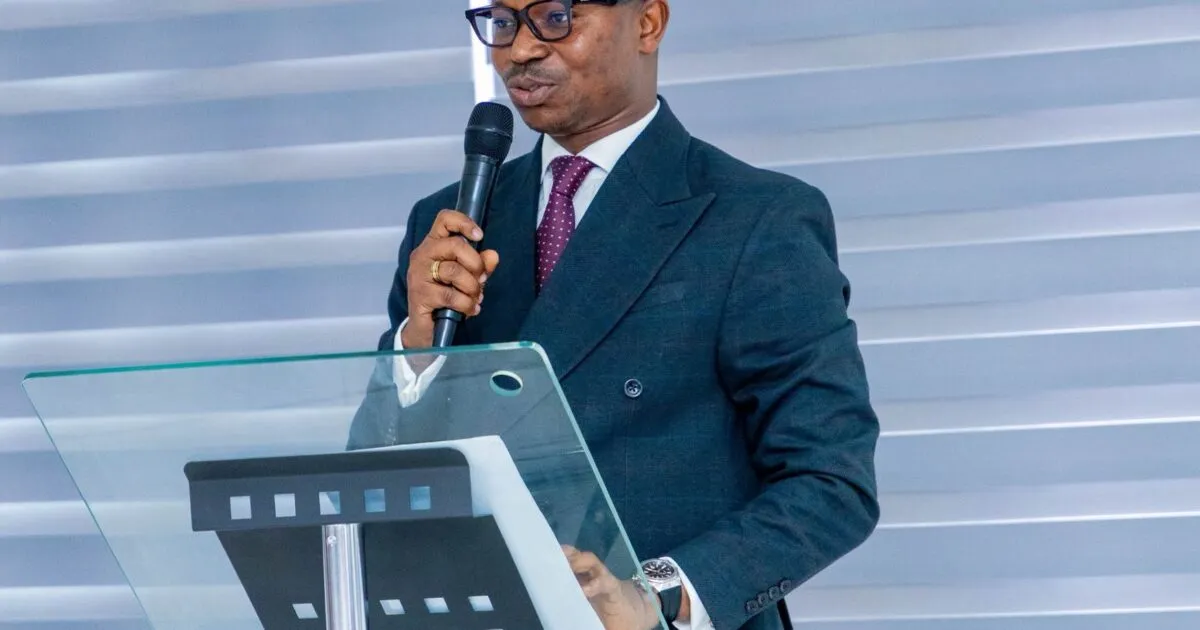
The Chief Executive Officer of the National Entrepreneurship and Innovation Programme, Eric Adjei, has called for the development of integrated systems across Africa to transform innovative ideas into sustainable businesses and jobs. He made this statement at the International Conference on Business Innovation and Incubation in South Africa on October 1. This conference brought together experts and stakeholders to discuss the latest trends and strategies in business innovation and incubation. Africa's growing youth population is producing innovative solutions in various sectors.
Mr Adjei noted that Africa's challenge is no longer simply generating ideas but creating systems that can provide innovators with financing, market access, mentorship, and institutional support to take their ideas from conception to commercialization. He emphasized that Ghana is building an integrated entrepreneurial ecosystem connecting training, incubation, mentorship, technology, financing, market access, and partnerships. This ecosystem aims to support innovators and entrepreneurs in turning their ideas into sustainable businesses.
The NEIP CEO highlighted that Africa must increasingly build an interconnected innovation ecosystem where research, capital, technology, and talent can move across borders to solve problems and create sustainable businesses. This can be achieved by fostering collaboration and partnerships among African countries and stakeholders. By doing so, Africa can leverage its collective strengths and resources to drive innovation and entrepreneurship.
Africa's growing youth population is producing innovative solutions in areas including technology, climate-smart solutions, financial technology, manufacturing, healthcare, and education. These solutions have the potential to transform the continent and create new opportunities for economic growth and development. However, to fully realize this potential, Africa needs to create an enabling environment that supports innovation and entrepreneurship.
Mr Adjei's call for integrated systems to support innovation and entrepreneurship is timely, given the current state of Africa's economies. Many African countries are facing challenges related to unemployment, poverty, and inequality, which can be addressed through entrepreneurship and innovation. By building integrated systems that support innovation and entrepreneurship, Africa can unlock its full potential and create new opportunities for economic growth and development.
The International Conference on Business Innovation and Incubation provided a platform for experts and stakeholders to discuss the latest trends and strategies in business innovation and incubation. The conference highlighted the need for Africa to develop its own innovation and entrepreneurship ecosystem, tailored to its unique needs and challenges. This ecosystem should be designed to support innovators and entrepreneurs in turning their ideas into sustainable businesses.
The development of integrated systems to support innovation and entrepreneurship in Africa requires a collaborative effort from governments, private sector stakeholders, and civil society organizations. These stakeholders must work together to create an enabling environment that supports innovation and entrepreneurship. This includes providing access to financing, market access, mentorship, and institutional support to innovators and entrepreneurs.
Key points
- The NEIP CEO, Eric Adjei, has called for the development of integrated systems across Africa to transform innovative ideas into sustainable businesses and jobs.
- Africa's growing youth population is producing innovative solutions in various sectors, including technology, climate-smart solutions, financial technology, manufacturing, healthcare, and education.
- Ghana is building an integrated entrepreneurial ecosystem connecting training, incubation, mentorship, technology, financing, market access, and partnerships to support innovators and entrepreneurs.