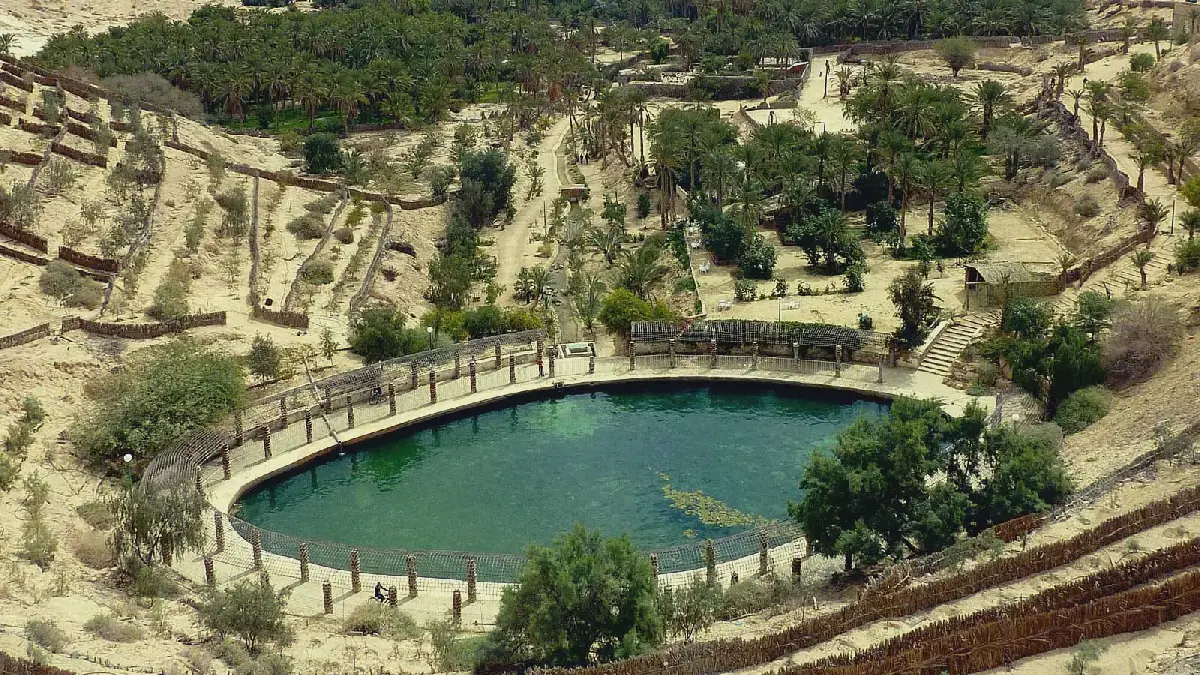
Nefta, known as the "City of a Hundred Domes," has long been a significant spiritual center in Tunisia. With its rich natural and cultural heritage, the city has been working to revive its tourism industry. In recent years, Nefta has been transforming into a vibrant destination, offering a unique blend of culture, nature, and spirituality. The city's oasis, architecture, and famous Sahara Palace were once major attractions for European tourists, particularly from France.
Historically, Nefta was considered the capital of high-end tourism in Tunisia, attracting elite European clients who came to rejuvenate in harmony with nature and the local community. However, with the rise of Tozeur as a major tourist destination, Nefta's popularity waned. Despite this, the people of Nefta have remained patient and have focused on cultivating their unique cultural and natural assets. The city has been working to restore its former glory, with a focus on promoting its soufie culture and spiritual significance.
Nefta is home to over 100 marabouts, including the famous Sidi Bou Ali, who played a crucial role in establishing the city as a stronghold of Sunni Islam in the 13th century. The city's cultural significance is celebrated through various events, including the Rouhaniyèt festival, which showcases soufie music and mysticism. The festival, now in its ninth edition, features liturgy, rituals, conferences, debates, and cultural activities, attracting thousands of visitors.
This year's Rouhaniyèt festival took place from October 29 to 31, and was organized with the help of local resources, including volunteers. The event has not only promoted the city's cultural heritage but also encouraged community involvement and a sense of ownership among the locals. In recent months, several initiatives have emerged to improve the city's image, including clean-up campaigns, tree-planting activities, and the restoration of the city's oued.
One of the most significant initiatives is the curage of the oued's bed, a massive undertaking that involved the entire community and took place over several months. The oued, which was left abandoned for decades, has been restored to its former glory and is now awaiting the return of water to revive the oasis. A new organization, the "Association jeunesse créative de Nefta," has been established to rehabilitate the Ras el-Aïn oasis and promote sustainable development.
The municipal authorities have also taken steps to address environmental concerns, installing dozens of cameras to monitor sites that have been transformed into illegal dumps. Additionally, the city has hosted several promotional events, including the first Les Roses du Jérid rally, a female solidarity event that brought together 30 participants from across the region. The event aimed to promote women's empowerment and raise awareness about social and medical issues.
As Nefta continues to blossom into a vibrant tourist destination, the city is set to host the Meeting des montgolfières à Nafta, a hot air balloon festival that will take place until November 2. With its rich cultural heritage, stunning natural beauty, and warm hospitality, Nefta is poised to become a must-visit destination in Tunisia.
Key points
- Nefta's tourism industry is being revived through cultural events and initiatives that promote its soufie heritage and natural beauty.
- The city has been working to restore its former glory, with a focus on community involvement and sustainable development.
- Nefta is home to over 100 marabouts, including the famous Sidi Bou Ali, and is a significant spiritual center in Tunisia.