A recent survey conducted by the United Nations Children's Fund (UNICEF) in collaboration with SOFEPADI and Washington University in St. Louis has revealed that nearly six in ten women and adolescent girls in Ituri, eastern Democratic Republic of the Congo, have experienced violence or abuse since the outbreak of Ebola. The survey, which involved 1,062 interviews carried out between August 28th and October 15th, 2026, highlights the escalating threat of violence and abuse faced by women and girls in the region.
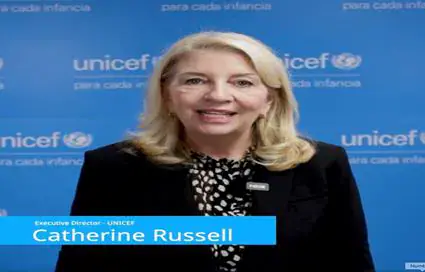
The survey found that more than one-third of respondents reported increased control over their movements, financial resources, and mobile phones, as well as emotional and psychological violence. Physical and sexual violence were also reported. According to Catherine Russell, UNICEF Executive Director, "While they are already facing a deadly epidemic and an ongoing conflict in eastern DRC, women and girls are increasingly exposed to the threat of violence and abuse."
The survey also revealed that nearly half of the women and adolescent girls who attempted to access healthcare and support services were unable to do so, due to movement restrictions and the closure or reassignment of certain centers. This has further exacerbated the vulnerability of women and girls in the region, who are already struggling to cope with the Ebola outbreak and ongoing conflict.
Despite these challenges, there has been an increase in attendance at safe spaces managed by SOFEPADI in Ituri. Between January and March, there were 1,183 visits, while between July and September 2026, this number rose to 3,548, representing a 200% increase. This suggests that women and girls are seeking support and protection, but more needs to be done to ensure that they have access to these services.
UNICEF and its partners have provided support to more than 3,300 survivors of gender-based violence in Ituri and North Kivu since the beginning of the outbreak. However, the organization is calling on government authorities and humanitarian partners to ensure that protection services remain accessible and to incorporate the safety of women and girls into the Ebola response.
The UNICEF survey is a stark reminder of the need for urgent action to address the escalating violence and abuse faced by women and girls in Ituri and beyond. The organization is urging stakeholders to prioritize the protection of women and girls and to ensure that they have access to essential services, including healthcare and support services.
In response to this situation, UNICEF has called for increased support and protection for women and girls in Ituri and other affected regions. The organization is working with partners to provide critical services, including healthcare, protection, and support for survivors of gender-based violence. Key efforts include providing support to over 3,300 survivors and managing safe spaces for women and girls.
Key points
- 60% of women and adolescent girls in Ituri report experiencing violence or abuse since the Ebola outbreak.
- Nearly half of women and adolescent girls who attempted to access healthcare and support services were unable to do so due to movement restrictions and center closures.
- Attendance at safe spaces managed by SOFEPADI in Ituri increased by 200% between January and September 2026.
Reporting sources
- Ituri: Nearly six in ten women report increased violence since Ebola outbreak · Congolese press agency