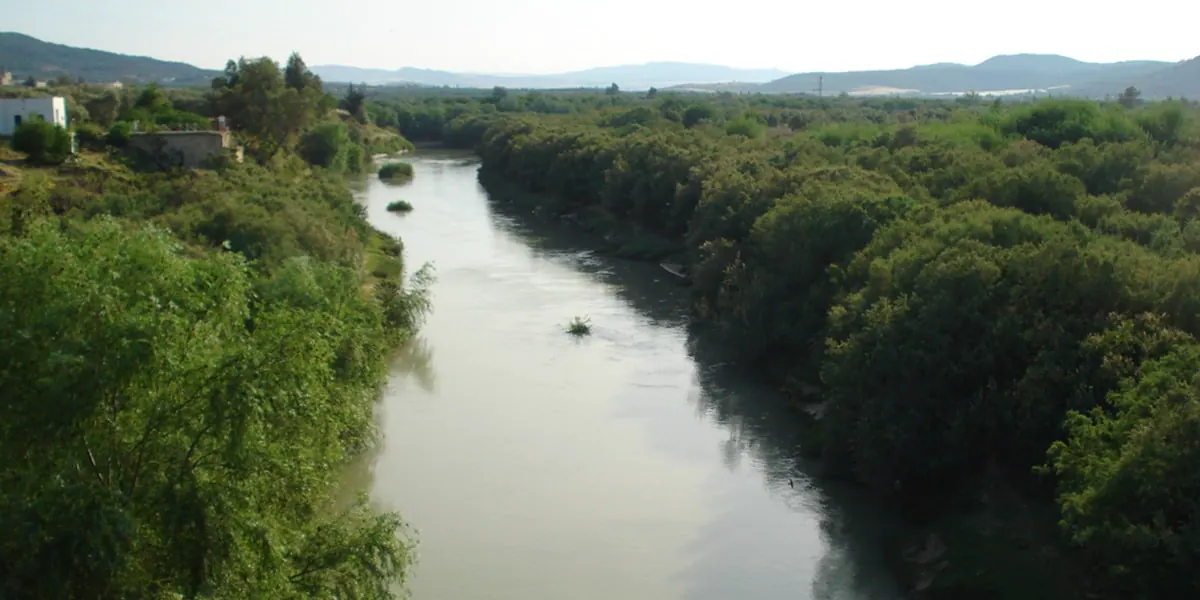
The Tunisian government's efforts to protect the Medjerda River are facing substantial challenges in ensuring environmental compliance. In 2025, authorities conducted 124 control operations at industrial facilities along the river basin, resulting in 97 environmental infractions. This translates to nearly eight out of ten inspections revealing at least one environmental infraction. The high rate of infractions underscores the need for improved environmental oversight and enforcement in the region.
The inspections were part of a broader effort to monitor industrial activities in the Medjerda River basin, which is a significant environmental and health concern. The Minister of Environment, Habib Abid, visited the Béja governorate on October 2, 2026, to assess the situation and discuss measures to address the issues. During the visit, Abid emphasized the importance of identifying "black spots" and working with industrial operators to implement necessary measures to upgrade their facilities and reduce pollution.
The ministerial delegation visited Medjez el-Bab, a key location in the Béja governorate, to examine the challenges and opportunities for environmental improvement. Abid highlighted that the issue is being closely monitored at the government level, with a joint commission comprising the Ministries of Environment, Agriculture, Interior, and Health, under the supervision of the President of the Republic. This high-level attention underscores the government's commitment to addressing the environmental concerns in the Medjerda River basin.
While the number of inspections and infractions provides insight into the scale of the problem, the nature and distribution of the infractions, as well as any administrative or punitive measures taken, remain unclear. Abid stressed the need for concrete solutions with industrial operators and enhanced environmental rehabilitation of their facilities. The government aims to work with industries to implement effective measures to mitigate pollution and ensure long-term environmental sustainability.
In addition to the inspections and infractions, the Ministry of Environment received 37 environmental impact studies in 2025. The majority of these studies were approved, with only three or four rejected. These numbers highlight the complexities of environmental regulation in the region and the need for effective oversight and enforcement. The ministry's efforts to ensure compliance with environmental regulations are crucial to protecting the Medjerda River and its ecosystem.
The Medjerda River plays a vital role in Tunisia's ecosystem and economy. As a shared water resource with Algeria, its management has significant implications for both countries. The Tunisian government's efforts to address environmental concerns in the river basin are essential for maintaining the river's health and ensuring sustainable development in the region. Effective environmental management will require continued collaboration between government agencies, industrial operators, and local communities.
The environmental challenges facing the Medjerda River basin are complex and multifaceted. Addressing these challenges will require sustained efforts from all stakeholders, including government agencies, industries, and local communities. By working together, it is possible to mitigate pollution, promote sustainable development, and protect the Medjerda River for future generations. The government's commitment to environmental protection and sustainability is a positive step towards achieving these goals.
Key points
- Almost 80% of environmental inspections in Tunisia's Medjerda River basin in 2025 revealed infractions, highlighting significant compliance challenges.