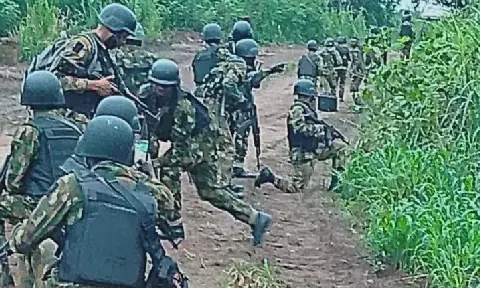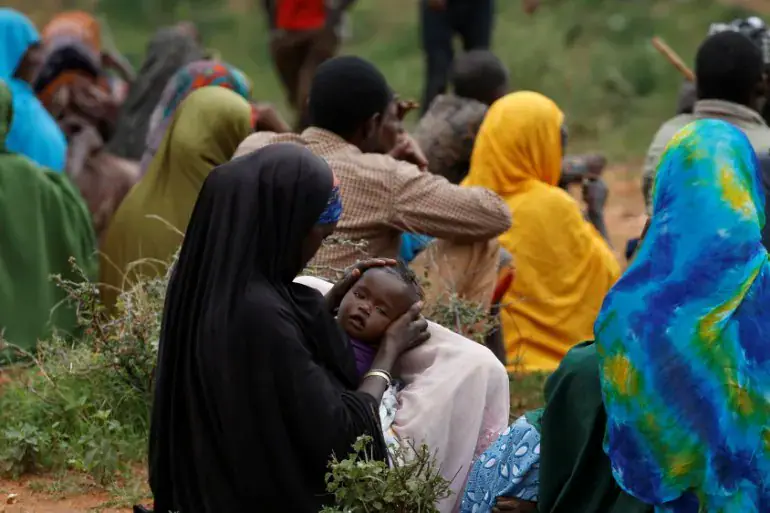
Nearly 50,000 individuals have crossed into Kenya from Ethiopia's border town of Moyale, which has been plagued by deadly clashes. The displaced people include families who escaped fighting in Moyale and surrounding areas last week. The violence has brought commercial activity and transport in the border town to a standstill, disrupting cross-border trade and affecting traders and communities reliant on the movement of goods and people.
The clashes have resulted in fatalities and injuries, damaged property, and forced residents to abandon their homes. Businesses in the area have remained closed due to insecurity, restricting commercial activity and movement through the border area. The disruption has added economic pressure to a growing humanitarian emergency. The United Nations has expressed concern about the situation, warning that further displacement could occur unless the fighting ends immediately.
Moyale serves as a crucial trading centre linking Ethiopia and Kenya, with businesses and local communities depending on cross-border commerce and transport. The fighting has interrupted these activities, affecting traders whose livelihoods rely on the movement of goods between the two countries. The suspension of business operations and restrictions on movement have compounded the difficulties facing residents already displaced by the violence.
Kenyan authorities are facing a growing influx of civilians seeking safety on the southern side of the border. The Kenyan government and international humanitarian organisations have been urged to provide immediate assistance to people affected by the fighting. Local lawmakers have expressed concern about the increasing demand for public services and the strain on infrastructure and local resources.
The clashes are attributed to a regional dispute, with residents stating that the latest violence erupted after the flag of Ethiopia's Somali Regional State was raised in a disputed section of Moyale. This triggered armed confrontations between local groups, fuelling tensions over administrative authority and land ownership. The dispute has extended beyond local security concerns, affecting commercial activity and communities on both sides of the international border.
The fighting has raised concerns about the stability of a trading corridor used by businesses and residents moving between Ethiopia and Kenya. For traders, the immediate challenge is the interruption of business and transport. For Kenyan authorities, it is the growing demand for assistance from displaced civilians. The duration of the disruption remains uncertain, with no indication of when normal commercial operations might resume.
Without an end to the fighting, further displacement could deepen pressure on Kenya's border communities and prolong the disruption to trade and transport along the Ethiopia-Kenya corridor. Humanitarian officials have warned that continued fighting could trigger further population movements and increase the need for emergency assistance.
Key points
- The clashes have disrupted cross-border trade between Ethiopia and Kenya.
- Nearly 50,000 people have fled into Kenya from Ethiopia's Moyale town.
- The fighting has resulted in fatalities, injuries, and displacement of residents.