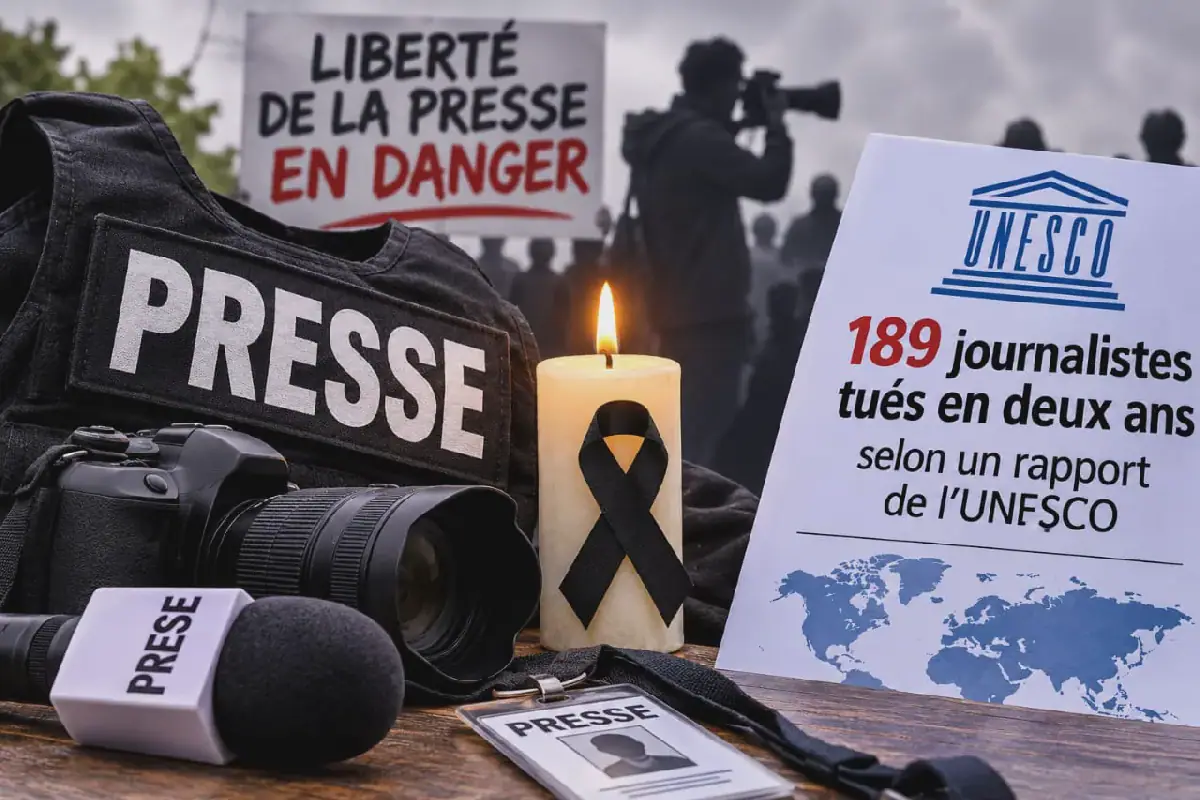
A recent UNESCO report has highlighted the alarming rate of journalist killings worldwide. According to the report, 189 journalists were killed between 2024 and 2025, with one journalist losing their life every four days. This grim statistic underscores the increasing risks faced by journalists, particularly in conflict zones. The report notes that 127 of those killed were in countries at war, emphasizing the growing danger associated with reporting from conflict areas.
The geography of danger for journalists has undergone a significant transformation. Conflicts have become the primary location for journalist killings, accounting for 67% of the victims. Palestine tops the list, with at least 62 journalists killed over two years, including 32 in 2025. Other countries with high journalist casualty rates include Mexico, Yemen, Sudan, and Ukraine. Local journalists, often the only ones able to report on violence in their areas, comprise 90% of the victims in war-torn countries.
The use of drones in conflict zones has emerged as a significant threat to journalists. In 2024 and 2025, drones caused the deaths of 50 journalists in six conflict zones, accounting for 40% of journalist fatalities in war-torn areas. This trend highlights the evolving nature of the risks faced by journalists. Furthermore, the report notes that many journalists are killed while investigating corruption, organized crime, human rights abuses, or local political crises.
Journalists are not only killed in the field but also in press offices and temporary reporting facilities. The UNESCO report documents 36 journalists killed in such locations, including nine in a single attack. Additionally, some journalists were killed while wearing identifiable press vests or traveling in clearly marked vehicles. These incidents underscore the lack of safety and security for journalists, even in designated press areas.
Female journalists face specific challenges and threats. Of the 14 female journalists killed in 2024-2025, 13 were in conflict zones. A 2025 survey revealed that 75% of female journalists had experienced online violence, with over 42% reporting physical violence following harassment. This represents a significant increase in reported physical violence since 2021.
Impunity remains a major issue in journalist killings. According to the UNESCO report, 86% of cases go unpunished, with nearly nine out of ten murders resulting in no one being brought to justice. This lack of accountability perpetuates a culture of violence against journalists. The report notes that impunity had shown signs of decreasing but has now increased, casting a shadow over the profession.
The UNESCO report concludes by emphasizing the need for greater protection and accountability for journalist killings. The alarming rate of journalist fatalities and the increasing use of drones in conflict zones highlight the urgent need for measures to safeguard journalists. By addressing impunity and ensuring accountability, the international community can work towards creating a safer environment for journalists to report without fear of violence or reprisal.
Key points
- 189 journalists were killed worldwide between 2024 and 2025.
- 67% of journalist killings occurred in conflict zones.
- Impunity remains a significant issue, with 86% of journalist killings going unpunished.