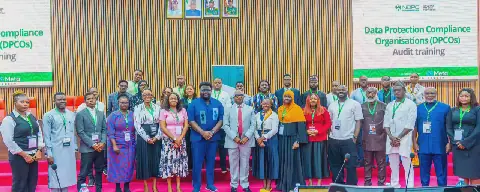
The Niger Delta Development Commission (NDDC) has initiated a three-day training programme in Lagos, focusing on accountability, resource management, and administrative decisions that impact its development programmes across the Niger Delta region. This 2026 training programme scrutinizes the commission's internal operations, with participants emphasizing the need for closer attention to the benefits communities receive from its interventions. The programme aims to improve organisational capacity, administrative efficiency, and responsibility for the commission's work.
The training programme, themed "Beyond Service Delivery: Institutional Accountability, Stakeholder Satisfaction and Sustainable Development Outcomes in NDDC," commenced in Ikeja on November 12. Ifedayo Abegunde, the commission's Executive Director, Corporate Services, delivered his opening message through Nzelaw Anele, urging staff to uphold integrity, administrative efficiency, and value for money in their work. Participants argued that spending figures and project totals alone cannot establish whether the NDDC is meeting the expectations of the people it serves.
Discussions during the programme highlighted the importance of examining how decisions are made, resources are used, and projects respond to community priorities. Professor Sylvester Odion-Akhaine of Lagos State University, one of the resource persons, emphasized institutional responsibility and urged management to pursue its objectives without being diverted by undue political interference. The sessions also addressed how staff understand accountability, with one participant describing it as stewardship and challenging the tendency to associate scrutiny principally with punishment.
The programme also stressed the need for transparency in the way institutions conduct their affairs, with one participant arguing that development programmes require openness. The emphasis extended to ethical leadership and performance monitoring, with participants saying stronger internal systems could help the commission explain its work more clearly, improve public confidence, and establish whether its interventions were producing the intended benefits. These concerns apply across a development mandate that includes infrastructure, education, healthcare, environmental management, employment, and community development.
The NDDC's development mandate is broad, and the programme examined the administrative responsibilities that support work in those sectors, alongside the delivery of individual projects. Agriculture also featured in the discussions, with one participant describing it as one of the commission's areas of intervention and saying projects were continuing. The participant said those interventions were intended to respond to the needs of Niger Delta residents.
Organisers have provided for a follow-up Service Excellence Implementation Bootcamp for selected staff, which will focus on converting recommendations into departmental procedures, quality-assurance tools, performance indicators, and improvements in services. Staff wellbeing also forms part of the programme, with Abegunde linking employees' health and working conditions to concentration, decision-making, and professional effectiveness. The programme aims to connect improvements in the NDDC's internal operations with development results that communities can identify and assess.
The NDDC's training programme places responsibility on the institution to account for both how it works and what its interventions achieve, with lasting benefits for Niger Delta residents presented as the measure of its development effort. The programme seeks to connect the commission's activities with the communities it is established to serve, with a focus on application within the commission's departments. The objective is to improve the commission's internal operations and development results, ultimately benefiting the Niger Delta region.
Key points
- The NDDC's training programme focuses on accountability, resource management, and administrative efficiency to improve its development programmes.
- The programme aims to connect improvements in the NDDC's internal operations with development results that communities can identify and assess.
- The training programme seeks to promote transparency, ethical leadership, and performance monitoring within the commission.
Reporting sources
- NDDC centres training on accountability · Prime 9ja Online