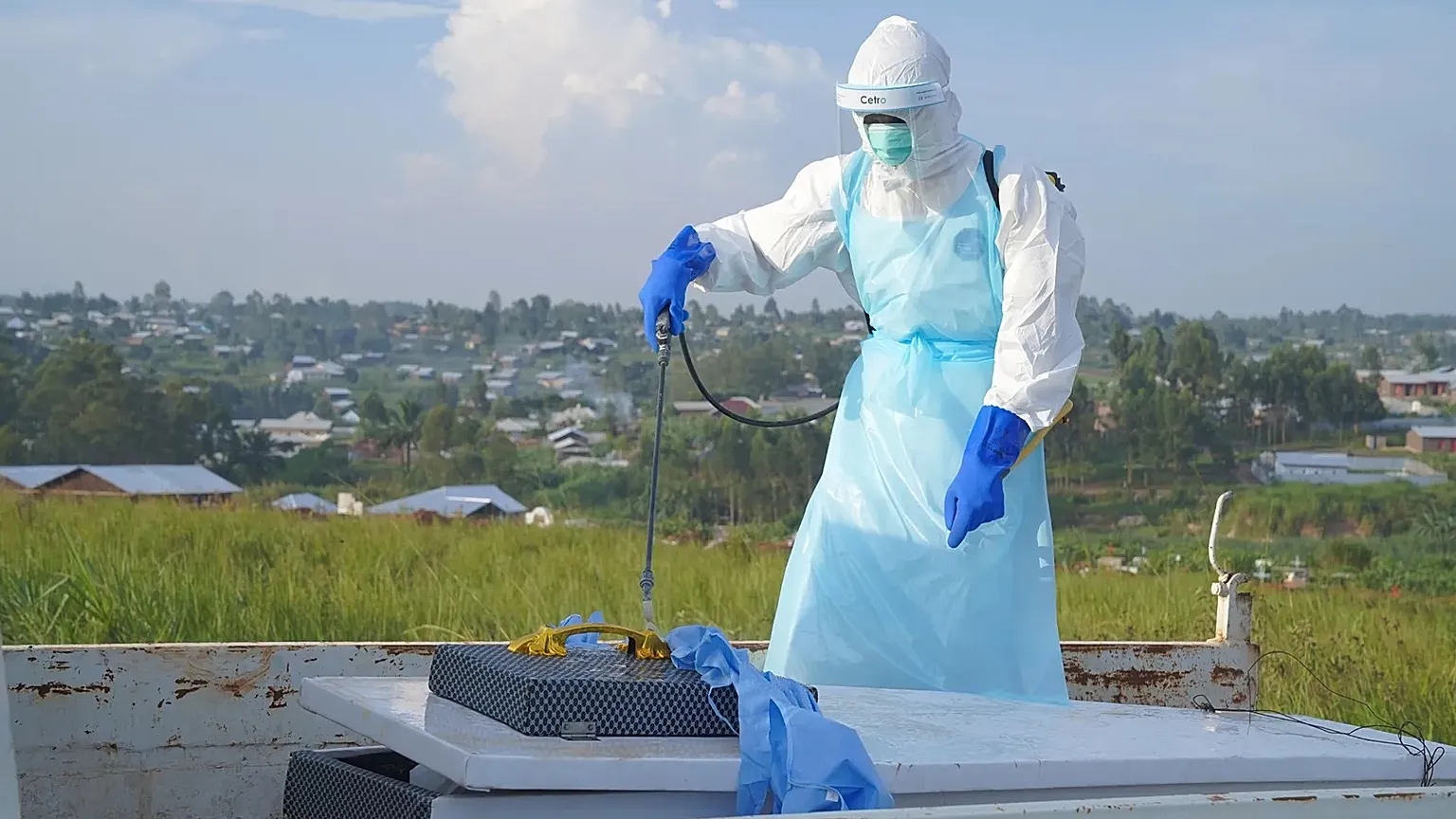
The Nigeria Centre for Disease Control and Prevention (NCDC) has raised a fresh alarm on Ebola Virus Disease (EVD) due to worsening cases in the Democratic Republic of Congo (DRC). As a result, travellers from affected countries are now required to complete a Nigeria Health Declaration Form, which provides health and travel information to aid surveillance and follow-up. The form includes travel history, symptoms, and possible exposure information. However, passengers from other countries are exempt from completing the form at this time.
The NCDC has increased surveillance and preparedness at Nigeria's borders and points of entry due to the continued spread of the Bundibugyo EVD in the DRC. The new measures aim to reduce the risk of importing the virus into Nigeria. The Director-General of the NCDC, Dr. Jide Idris, signed the new advisory after a dynamic risk assessment and consultations with public health experts and relevant authorities. The NCDC is working with state ministries of health and international partners, such as the World Health Organisation (WHO) and the Africa Centres for Disease Control and Prevention (Africa CDC), to provide technical support.
According to the European Centre for Disease Control and Prevention (ECDC), the DRC had recorded 7,672 confirmed cases and 3,699 related deaths as of September 20. The ECDC also reported that 886 patients were hospitalised in isolation, while 1,879 people who tested positive for the Bundibugyo virus had recovered. Ituri Province remains the epicentre, accounting for 5,913 confirmed cases and 2,703 deaths across 28 of its 36 health zones.
The NCDC has enjoined Nigerians and travellers to remain alert to symptoms associated with Ebola, especially those with recent travel history or possible exposure to infected individuals. Symptoms of the disease include fever, weakness, muscle pain, headache, sore throat, vomiting, diarrhoea, rash, and in severe cases, internal and external bleeding. Those exhibiting these symptoms are advised to visit the nearest government health facility for medical attention.
Although Nigeria has not reported any Ebola cases recently, the NCDC's fresh alarm is timely and should be heeded. The NCDC is working with federal and state ministries of health and other agencies to provide a coordinated response against the importation of the disease. Health workers are urged to be vigilant and treat travellers from Ebola-endemic countries as potential carriers until proven otherwise.
The NCDC's leadership has been lauded for raising the alarm over the possible importation of Ebola into Nigeria. With air travel and porous borders, the DRC is not far from Nigeria, and the risk of transmission is high. Security operatives working at borders and entry points are urged to work with health agencies to ensure that Ebola is not imported into Nigeria again.
Nigeria has previously experienced an Ebola outbreak, which was first imported into the country through Lagos airport on July 20, 2014. The outbreak led to significant losses, including the deaths of many health workers and Nigerians. The NCDC, federal and state health authorities, and global partners are urged to work together to prevent a repeat of this tragic episode.
Key points
- Travellers from affected countries must complete a Nigeria Health Declaration Form
- NCDC increases surveillance and preparedness at borders and entry points
- Nigeria has not reported any recent Ebola cases, but vigilance is necessary