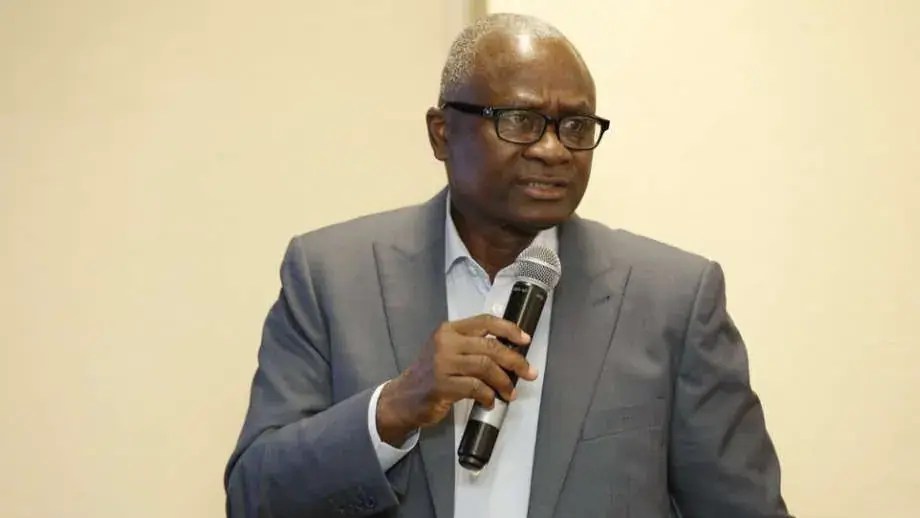
The Nigeria Centre for Disease Control and Prevention (NCDC) has clarified that the Federal Government's ₦10 billion emergency intervention fund is not solely for Ebola but addresses various disease threats. NCDC Director-General, Dr. Jide Idris, made this statement on Monday. The fund aims to strengthen Nigeria's preparedness against public health emergencies. It will cover Lassa fever, cholera, meningitis, diphtheria, measles, monkeypox, and antimicrobial resistance.
Dr. Idris explained that the ₦10 billion was released directly to the NCDC, not the Presidential Task Force on Ebola. The task force, chaired by President Bola Tinubu's Chief of Staff, Femi Gbajabiamila, coordinates the national response. The NCDC chief emphasized that the fund addresses broader health security needs. The ₦10 billion represents only about two percent of the National Action Plan for Health Security's average annual cost of ₦104.4 billion.
The National Action Plan for Health Security will run from 2025 to 2029 at an estimated cost of ₦522 billion. Dr. Idris stated that Nigeria requires significant funding to implement the plan. The NCDC's allocation has increased over the years, from ₦4 billion in 2024 to ₦7 billion in 2025. The 2026 budget provides ₦22 billion for the agency.
Dr. Idris urged politicians and public commentators to avoid spreading misinformation about the fund. He warned that public health security should not become a subject of partisan politics. Health security is a matter of national security and should not be reduced to partisan contestation. The Federal Government approved the intervention fund in June 2026.
The approval of the intervention fund was months before Nigeria confirmed its first imported Bundibugyo Ebola case on October 20, 2026. The NCDC is working to strengthen the country's preparedness against public health emergencies. The agency is addressing various disease threats with the allocated fund.
The NCDC Director-General emphasized the importance of adequate funding for public health security. He highlighted the need for sustained support to address health security challenges. The agency is working to implement its National Action Plan for Health Security.
The ₦10 billion emergency intervention fund is a significant step towards addressing public health emergencies in Nigeria. The NCDC will continue to work towards strengthening the country's health security. The agency urges stakeholders to support its efforts to protect public health.
Key points
- The ₦10 billion fund addresses multiple disease threats, not just Ebola.
- Nigeria requires ₦104.4 billion annually to implement its National Action Plan for Health Security.
- The NCDC's allocation has increased over the years, from ₦4 billion in 2024 to ₦22 billion in 2026.