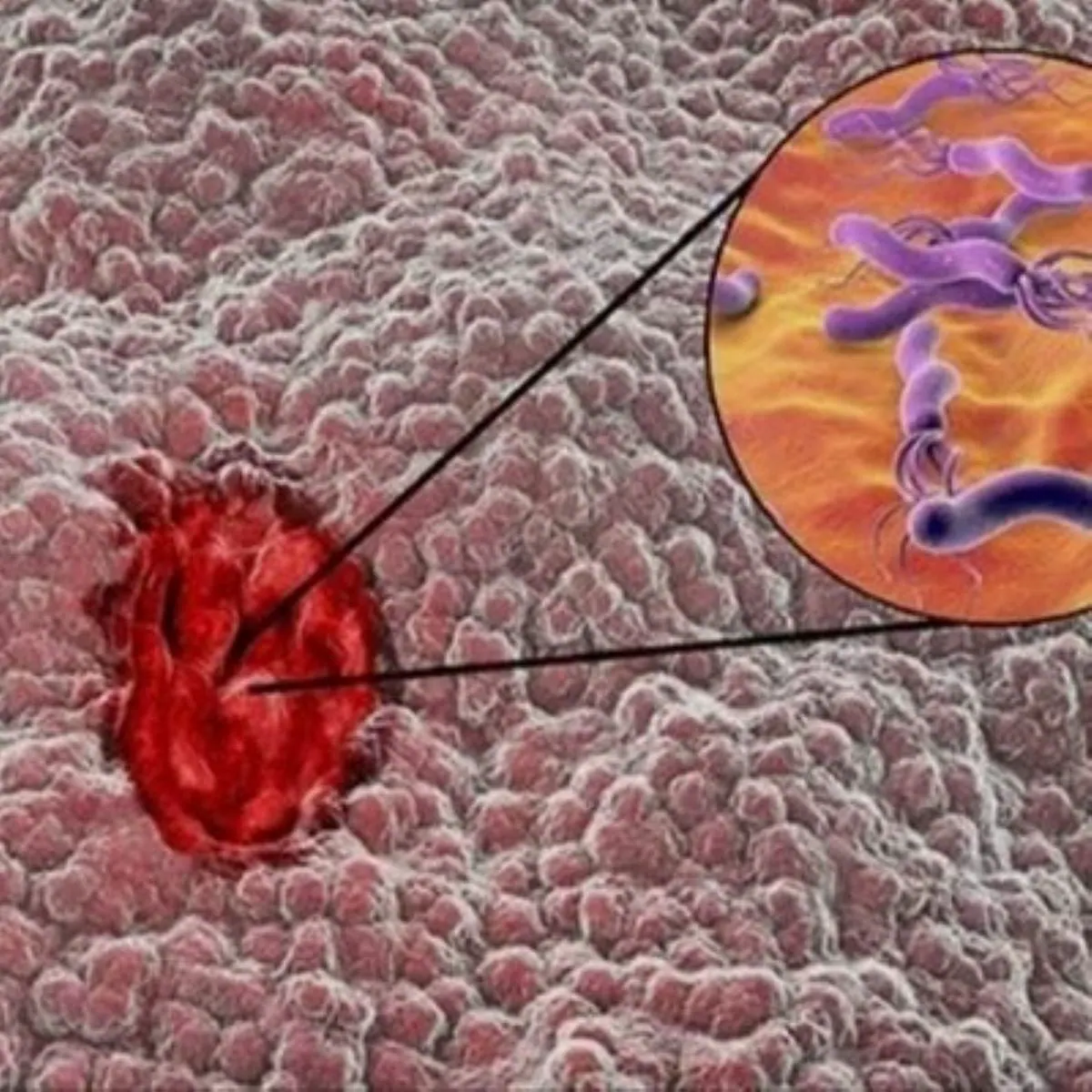
Stomach ulcers can cause persistent discomfort, especially when the stomach lining has been damaged and exposed to digestive acid. This can interfere with eating, sleeping, and everyday activities. While no particular food can be guaranteed to heal an ulcer, some dietary and lifestyle habits can make symptoms easier to manage and support the body's recovery alongside appropriate medical treatment. Stomach ulcers are not simply caused by eating spicy food or producing too much stomach acid. Common causes include infection with Helicobacter pylori, commonly known as H. pylori, and the regular use of certain painkillers called non-steroidal anti-inflammatory drugs (NSAIDs).
When dealing with an ulcer, attention often turns to food and home remedies. However, there is no universal ulcer diet that every patient must follow. Some people notice that particular foods make their symptoms worse, while others can eat the same foods without problems. Paying attention to how the body responds to different foods can help identify meals that are more comfortable. Instead of completely eliminating large groups of foods without a medical reason, focus on maintaining a balanced diet that provides adequate nutrients.
Certain foods and drinks may aggravate symptoms in some people. Spicy foods, acidic drinks, coffee, and alcohol are commonly reported as triggers for upper digestive symptoms, although they are not considered the main causes of most peptic ulcers. If a particular food repeatedly causes burning, pain, nausea, or discomfort, reducing or avoiding it may make one feel better. A personalized approach is more useful than a rigid list of foods that every ulcer patient must avoid.
Eating regular meals can help manage symptoms. Some people with stomach discomfort find that going for long periods without food makes their symptoms more noticeable. Others may feel uncomfortable after eating large meals. There is no requirement for everyone with an ulcer to eat five or six small meals every day. However, eating regular, moderate meals may be more comfortable for some people than eating very large meals or skipping meals for long periods.
Adequate fluid intake is important for general health. Water is a simple option for staying hydrated, particularly for people who find that carbonated, caffeinated, or acidic drinks worsen their symptoms. There is no special amount of water that can cure an ulcer. Drinking excessive quantities will not repair an ulcer faster. The aim should simply be to maintain normal hydration and choose drinks that one tolerates well.
Lifestyle changes, such as limiting alcohol and quitting smoking, can also support recovery. Alcohol can irritate the stomach and may worsen digestive symptoms in some people. For someone recovering from an ulcer, avoiding or limiting alcohol can be a sensible lifestyle measure. Smoking is another habit worth addressing, as it can increase the risk of peptic ulcers and may interfere with healing.
It is also essential to be careful with painkillers and avoid relying on herbal remedies. Medicines such as ibuprofen, naproxen, and aspirin can damage the protective lining of the stomach and increase the risk of ulcers and gastrointestinal bleeding. Anyone considering herbal preparation for an ulcer should discuss it with a healthcare professional, particularly if they are already taking medication.
Key points
- Eating a balanced diet that provides adequate nutrients and avoiding foods that worsen symptoms can help manage stomach ulcer symptoms.
- Limiting alcohol and quitting smoking can support recovery from stomach ulcers.
- Being careful with painkillers and consulting a healthcare professional before taking herbal remedies is crucial for effective management and treatment of stomach ulcers.