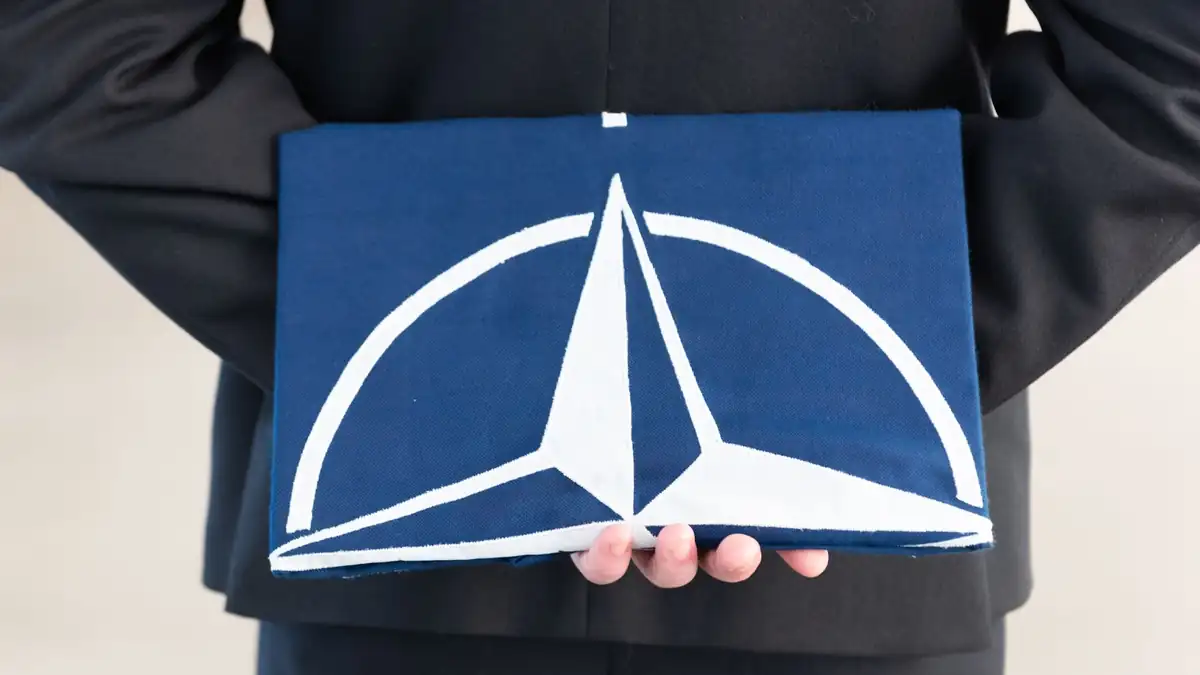
The North Atlantic Treaty Organization (NATO) is working on a strategy to quickly repel a Russian attack on its eastern flank, incorporating drones and artificial intelligence into its military power. According to a report by Bloomberg, the plan, dubbed "Theory of Victory," is being developed by General Alexus Grynkewich, the Supreme Allied Commander Europe. The plan is set to be presented in Poland on October 12.
The plan comes amid an increase in hybrid attacks on NATO soil, including drone incursions in Poland and Romania, and sabotage operations attributed to Moscow in Estonia and Germany. Russia has denied all these accusations. On October 5, a chief of intelligence warned that Germany could be drawn into an armed conflict with Russia as Moscow's "shadow war" intensifies.
An attack by Ukrainian drones hit a Russian military airfield in Adygea on the night of October 4. The NATO plan aims to clarify the alliance's response to a potential incursion on its territory and reassure public opinion about its preparedness. It combines ground forces with means from the Eastern Flank Deterrence Initiative, including cheap drones, reduced-crew systems, and AI targeting.
The plan seeks to neutralize Russian command and control to achieve a quick and decisive victory. NATO's logic is to convince a potential adversary that it cannot win. The text emphasizes the alliance's defensive nature and the need to avoid involuntary provocations. NATO's spokesperson for the general, Colonel Martin O'Donnell, described the alliance as "purely defensive" and declined to provide details on the strategy.
A NATO official confirmed the existence of the plan to the Kyiv Independent but did not comment on its content. The presentation on October 12 in Poland is expected to specify the role of autonomous technologies in the system. According to Bloomberg, which had access to a non-classified version of the document, the plan aims to stop an offensive and then target Russian command.
General Grynkewich's plan is part of NATO's efforts to bolster its eastern flank in response to increased Russian aggression. The alliance has been working to strengthen its military presence in Eastern Europe, including the deployment of troops and equipment. The use of drones and AI in the plan reflects the evolving nature of modern warfare.
The development of the plan highlights the growing tensions between NATO and Russia, with both sides engaging in a series of military and diplomatic maneuvers. The situation remains volatile, with concerns about the potential for escalation and conflict. Key stakeholders will be watching the presentation of the plan in Poland closely for insights into NATO's strategy and preparedness.
Key points
- NATO is developing a defense plan for its eastern flank that incorporates drones and artificial intelligence to counter potential Russian attacks.
- The plan, dubbed "Theory of Victory," aims to quickly repel a Russian attack and reassure public opinion about NATO's preparedness.
- The presentation of the plan in Poland on October 12 is expected to specify the role of autonomous technologies in the system.