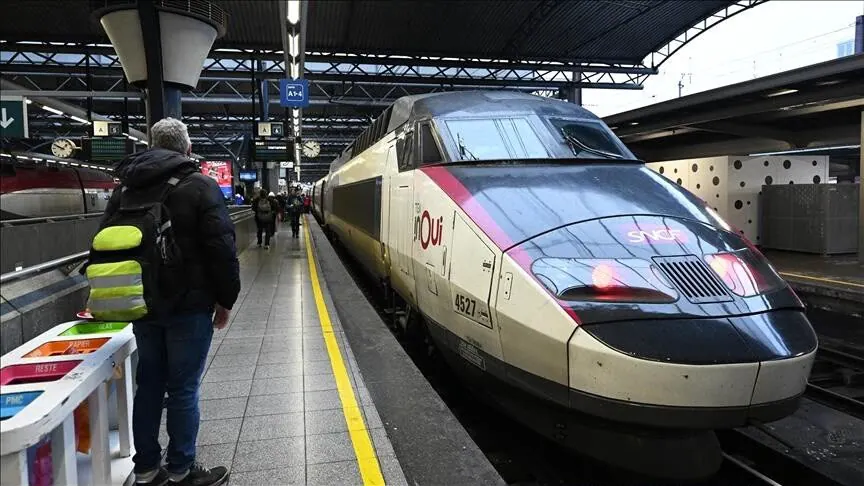
A national strike organized by the socialist union ACOD brought Belgian public services to a standstill on Monday. The strike was held in protest against government policies, planned budget cuts, and measures targeting public sector workers. As a result, various sectors were affected, including public transportation, broadcasting, education, postal services, and waste collection. The extent of the disruptions varied across regions.
The national railway company SNCB reported that only seven out of ten Intercity trains were running on an adapted schedule. Local trains were also impacted, with only half of them in service. Most additional trains scheduled for peak hours were canceled. In Flanders, the public transportation operator De Lijn experienced disruptions in its bus and tram network. Similarly, the Walloon transport company TEC faced difficulties across its entire network.
The strike also affected the education sector, particularly in schools within the Flemish network GO!. The ACOD Education union had filed a strike notice prior to the action. Public broadcasters VRT and RTBF reported significant disruptions due to the strike. The impact on postal services and waste collection was also expected, with the postal operator Bpost anticipating similar challenges to those encountered during the previous social movement on Friday.
In Brussels, the public transportation company STIB did not rule out potential service interruptions. The city's waste management agency warned that it might take several days to return to normal waste collection services. The strike is part of the ACOD union's opposition to the government's budget plans and announced spending cuts. The union's actions reflect its concerns about the impact of these measures on public sector workers.
The strike had a significant impact on the daily lives of Belgians, with many facing disruptions to their usual routines. Commuters experienced delays and cancellations, while students and teachers dealt with the consequences of the education sector's involvement in the strike. The government's budget plans and proposed cuts have been met with resistance from various unions and groups.
The ACOD union's actions are seen as a response to the government's efforts to reduce spending and implement austerity measures. The union argues that these measures will have a negative impact on public sector workers and the services they provide. The strike is a manifestation of the ongoing debate about the balance between fiscal responsibility and social welfare in Belgium.
As the situation continues to unfold, Belgians are waiting to see how the government will respond to the union's demands and concerns. The strike's impact on the country's economy and social services will likely be a topic of discussion in the coming days. The government may need to revisit its budget plans to address the concerns of public sector workers and unions.
Key points
- The strike affected various sectors, including public transportation, education, and broadcasting.
- The ACOD union organized the strike in opposition to government budget plans and spending cuts.
- The strike caused significant disruptions to daily life in Belgium, with commuters and students among those affected.