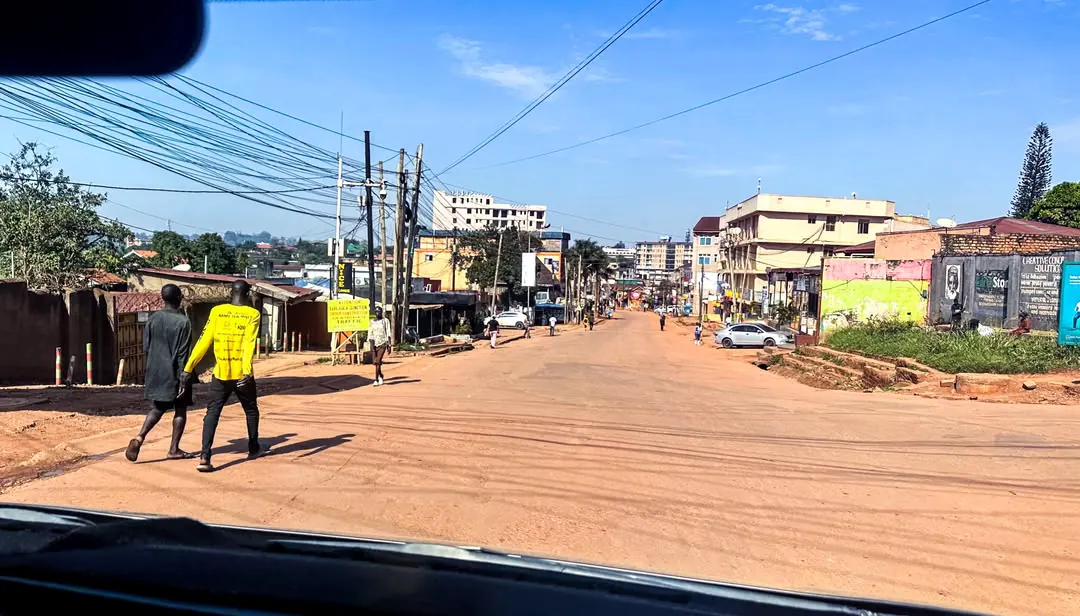
Major highways and inner-city streets in Uganda were empty and deserted as the mandatory monthly National Cleaning Day restrictions took effect. This was the third edition of the monthly exercise aimed at keeping the country clean. The restrictions, which were enforced from 7 a.m. to 10 a.m. on the last day of the month, limited movement to ensure maximum participation in the cleaning exercise.
The restrictions barred all private vehicles, motorcycles, and bicycles from the roads, allowing only emergency, security, and cross-border transport vehicles to move. This measure was taken to ensure that people participated in the cleaning exercise without any distractions. The exercise was observed on the last day of the month, and people were expected to come out and clean their surroundings.
The National Cleaning Day exercise was initiated to promote cleanliness and community involvement in maintaining the country's environment. The exercise involved cleaning of streets, markets, and other public spaces. People were encouraged to participate and take ownership of their environment. The government had been promoting the exercise through various media channels to ensure that everyone was aware of its importance.
The restrictions had a significant impact on the daily activities of the people, with many staying indoors during the exercise. However, the exercise was seen as a necessary step towards maintaining the country's cleanliness and promoting community involvement. The government had been working with local authorities to ensure that the exercise was successful and that people participated in large numbers.
The National Cleaning Day exercise has been observed for several months now, and it has become a regular feature in the country's calendar. The exercise has helped to promote a culture of cleanliness and community involvement in Uganda. The government has been encouraging people to take part in the exercise and make it a part of their daily lives.
According to reports, the exercise was peaceful, with people coming out to clean their surroundings. The local authorities were involved in the exercise, and they helped to coordinate the activities of the people. The exercise was seen as a success, with many people participating and taking part in the cleaning activities.
The National Cleaning Day exercise is expected to continue in the future, with the government encouraging people to participate and take ownership of their environment. The exercise has helped to promote a culture of cleanliness and community involvement in Uganda, and it is expected to have a positive impact on the country's environment. The government will continue to work with local authorities to ensure that the exercise is successful.
Key points
- The National Cleaning Day restrictions in Uganda barred all private vehicles, motorcycles, and bicycles from the roads.
- The exercise was observed on the last day of the month, from 7 a.m. to 10 a.m.
- The restrictions allowed only emergency, security, and cross-border transport vehicles to move.