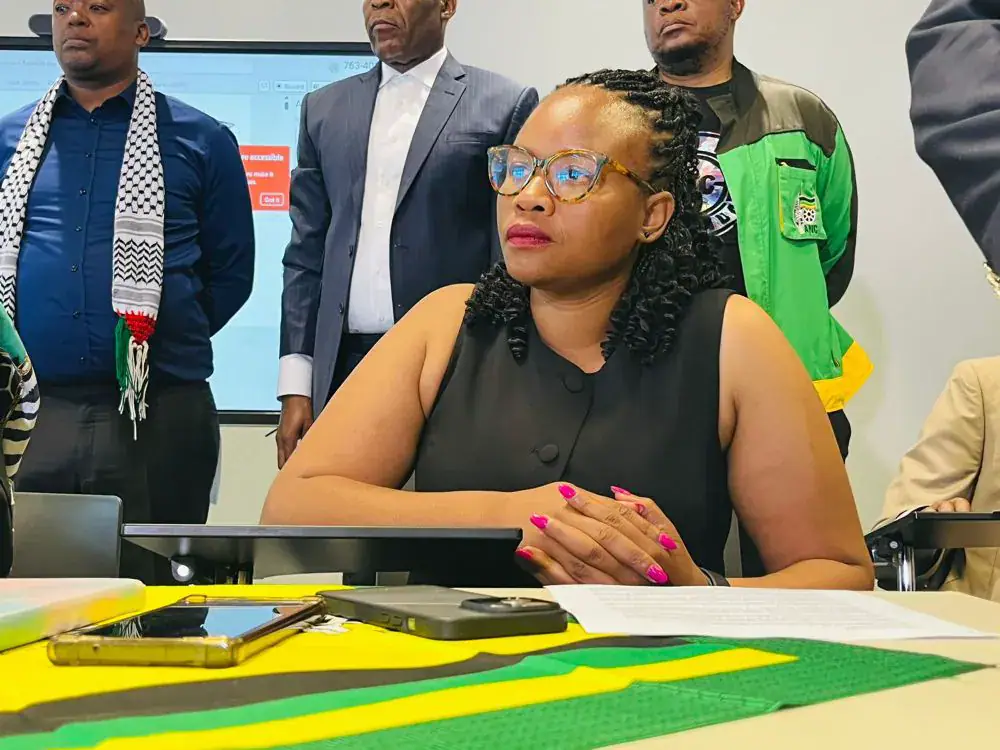
The recent local government elections in South Africa, which saw over 15 million citizens cast their votes, have given rise to a new phenomenon in the country's politics. Dubbed "Nasiphization," this shift towards performance-driven governance is characterized by a growing emphasis on individual leadership, competence, and accountability. The election of Dr. Nasiphi Moya as Executive Mayor of the City of Tshwane, following her tenure as Deputy Mayor, is a prime example of this trend.
Nasiphization raises important questions about the relationship between political parties, elected representatives, and the expectations of an increasingly discerning electorate. It also invites a broader reflection on whether South African politics is gradually moving away from party-centred loyalty towards a model that prioritizes individual leadership and service delivery. With over 600 political parties participating in the elections, the landscape reflects the growing diversity of political choices available to South African citizens.
The City of Tshwane provides an interesting case study of Nasiphization. Dr. Moya's tenure as Deputy Mayor did not generate the same level of public visibility and recognition as her subsequent assumption of the mayoral office. Her election as Executive Mayor marked a noticeable shift in public perception, with a greater emphasis on accountability, responsiveness, and institutional performance. At the centre of Nasiphization is the politics of personified excellence, where citizens associate institutional performance with the competence and visibility of its principal leader.
The politics of personified excellence is not about glorifying an individual, but rather recognizing that leadership matters in translating political mandates into tangible governance outcomes. Citizens want leaders who are accessible, responsive, and committed to improving their everyday lives. Dr. Moya's leadership style has been characterized by these qualities, earning her public recognition and praise.
ActionSA's decision to allow Dr. Moya sufficient political and administrative space to concentrate on governing the City of Tshwane has raised questions about the relationship between political parties and their deployed representatives. Political parties must balance their electoral interests with the need to allow elected representatives to discharge their governance responsibilities effectively. Perhaps this is a model that other political parties should consider, affording their representatives the institutional autonomy and political space necessary to govern effectively.
The appointment and election of individuals into positions of municipal leadership should increasingly reflect considerations of competence, relevant qualifications, and leadership capabilities. Political affiliation should not become a substitute for the capacity to govern. The Tshwane experience also highlights the possibilities of coalition governance, where coalition arrangements can produce positive governance outcomes when partners establish a shared understanding of their responsibilities and prioritize residents' interests.
The success of Nasiphization and coalition governance will ultimately depend on their ability to deliver tangible results and improve the lives of citizens. The electoral consequences of this phenomenon for ActionSA and other parties remain to be seen, but it is clear that voters are increasingly distinguishing between individual performance and party loyalty. As South Africa continues to debate the professionalization of local government, the Nasiphization phenomenon provides valuable insights into the changing nature of politics in the country.
Key points
- The growing emphasis on individual leadership and performance in South African politics.
- The potential for coalition governance to produce positive outcomes when partners prioritize residents' interests.
- The changing relationship between political parties, elected representatives, and citizens in South Africa.