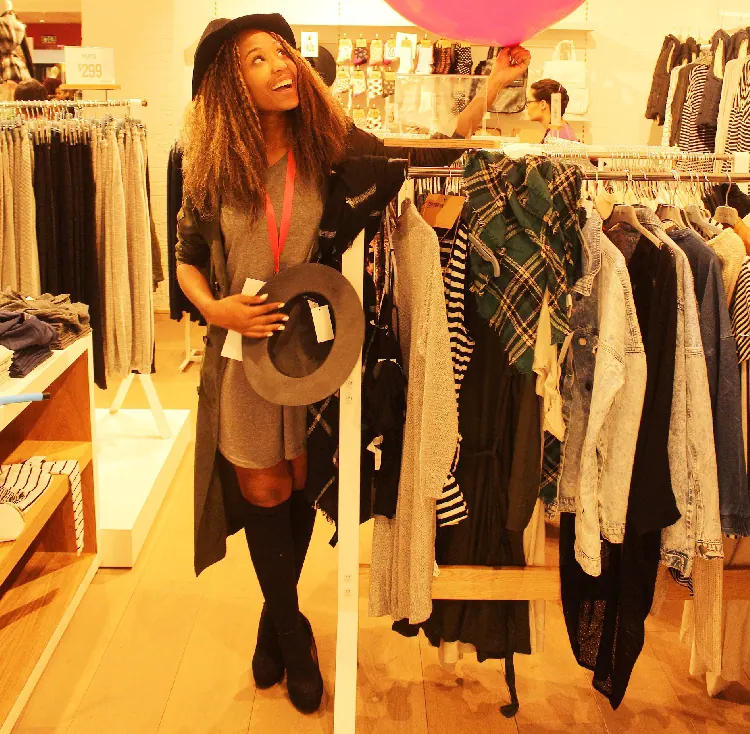
Namibian households significantly increased their spending in the second quarter of 2026, providing a substantial boost to the country's economy. According to the Namibia Statistics Agency (NSA), household spending rose to N$53.3 billion between April and June 2026, up from N$48 billion in the same period last year. This represents an increase of N$5.3 billion, or approximately 11%, in nominal spending.
After adjusting for inflation, the growth in household spending is even more pronounced. In constant 2015 prices, real household consumption increased from N$35.08 billion in the second quarter of 2025 to N$39.16 billion in the second quarter of 2026. This strong performance in household consumption contributed to Namibia's economy growing by 4.8% during the quarter. The NSA attributes this growth to a rebound in consumption by households, reversing a decline recorded in the same period the previous year.
The increase in household spending had a positive impact on various sectors of the economy, particularly the retail sector. Supermarket sales volumes increased by 13.8%, while wholesalers recorded a 4.5% increase and clothing retailers grew by 2%. The NSA notes that the performance in the sector is reflected in the increases in the volume of sales recorded for supermarkets. This growth in retail activity was a significant contributor to the overall economic growth.
The wholesale and retail trade sector was one of the biggest contributors to Namibia's economic growth, adding 0.9 percentage points to the country's 4.8% gross domestic product (GDP). The sector grew by 9%, compared to 6.5% in the second quarter of 2025. Other sectors that contributed significantly to growth included agriculture and forestry, and health, which added 0.8% and 0.7%, respectively.
The increase in retail activity also led to a rise in imports of goods and services. Imports increased by 12.9% in real terms during the quarter, as businesses needed to buy more stock to meet the demand from consumers. The NSA links this performance directly to stronger retail activity, citing the increase in the volume of goods sold by supermarkets and clothing retailers, as well as the rise in imports of finished goods.
Household spending formed the largest part of total consumption during the quarter, with private consumption accounting for N$53.3 billion. Government consumption added N$13.9 billion, taking total final consumption expenditure to N$67.2 billion. In real terms, total final consumption increased by 10.4%, reversing a 3.8% contraction recorded a year earlier. Government consumption increased by 6.6%, due to higher public-sector employment and spending on government operational goods and services.
The stronger consumer activity was reflected in the overall economic growth, with Namibia's economy reaching N$70.6 billion in the second quarter, up from N$65.3 billion in the same quarter of 2025. The NSA notes that economic activities accelerated in the second quarter of 2026, recording a growth of 4.8% year-on-year.
Key points
- Namibian households spent N$53.3 billion on shopping between April and June 2026.
- The wholesale and retail trade sector grew by 9% and contributed 0.9 percentage points to the country's 4.8% GDP growth.
- Namibia's economy grew by 4.8% in the second quarter of 2026, driven by strong household consumption and retail activity.