In Namibia, a growing number of young entrepreneurs are harnessing the power of artificial intelligence (AI) to turn their skills into a source of income. By developing websites, creating digital solutions for businesses, and offering AI training and consulting services, these young innovators are unlocking new opportunities for financial gain. This trend is also lowering the barrier to entering the tech industry, as AI-powered tools enable them to develop solutions without extensive traditional coding experience.
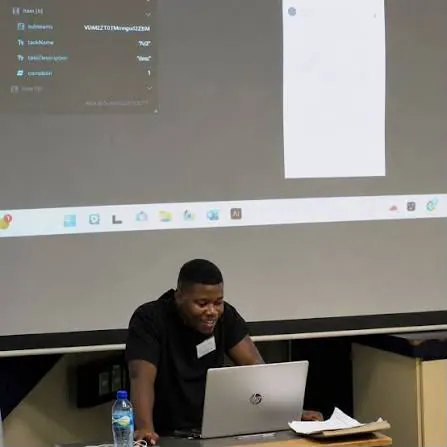
Gotlieb Mupandela, founder and CEO of Apnium Technology, is a prime example of a young Namibian who has successfully leveraged AI to launch his own business. At just 16 years old, Mupandela started his company, utilizing AI-assisted coding tools to develop software and work on products aimed at solving local problems. One of his notable projects is an AI-powered accounting assistant designed to help accountants work more efficiently. Mupandela's journey into entrepreneurship began with a desire to find ways to make money, which ultimately led him to explore the potential of AI.
Mupandela encourages young people to identify problems in their own communities and develop solutions that can be sold as services. He cites the example of building and maintaining websites for schools that lack an online presence. By learning how to use tools like Cursor, students can create a website for their school and charge a monthly fee for their services. According to Mupandela, this approach not only provides a source of income but also helps address the needs of local communities.
Johannes Masambo, an AI instructor and software developer, agrees that AI is creating new income opportunities for young people through training, website development, and business solutions. He notes that businesses are increasingly interested in using AI for tasks such as drafting emails, creating marketing material, and managing workflows. Masambo emphasizes that young people do not need to be expert programmers to benefit from AI, as integrating it into their workflow can significantly enhance their productivity.
However, Masambo cautions that young people need to distinguish between simply experimenting with AI tools and developing a skill that can generate income. To succeed, they should focus on solving a specific problem rather than constantly moving from one new AI trend to another. According to Masambo, those who want to develop these skills should always be looking to solve a problem.
Mupandela also advises aspiring AI entrepreneurs against relying solely on a new business as their source of income while it is still growing. He recommends having multiple income streams to help finance their businesses as they develop their products. By doing so, young entrepreneurs can ensure a more stable financial foundation for their ventures.
Both Mupandela and Masambo encourage young Namibians to build practical skills, identify problems around them, and use AI to develop solutions that people and businesses are willing to pay for. By leveraging AI in this way, young entrepreneurs can unlock new opportunities for financial gain and contribute to the growth of Namibia's tech industry. As the demand for AI solutions continues to grow, it is likely that more young Namibians will follow in Mupandela's footsteps and turn their AI skills into lucrative ventures.
Key points
- Young Namibians are leveraging AI to develop websites, digital solutions, and offer training services, unlocking new income opportunities.
- AI-powered tools are lowering the barrier to entering the tech industry, enabling young entrepreneurs to develop solutions without extensive traditional coding experience.
- Aspiring AI entrepreneurs are advised to focus on solving specific problems, build practical skills, and have multiple income streams to ensure success.