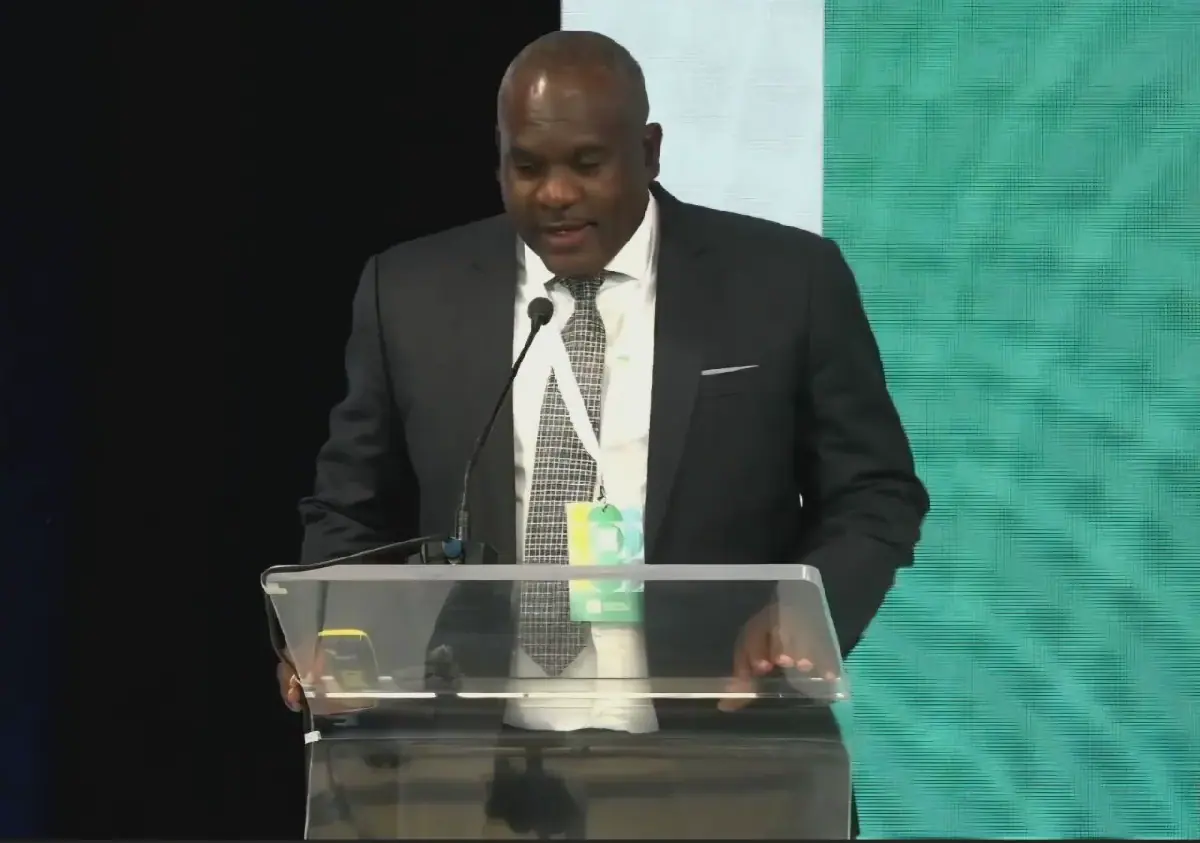
The Namibian government is seeking to raise approximately N$17 billion from local investors to finance various infrastructure development projects. This initiative aims to reduce the country's reliance on foreign borrowing, with the current public debt standing at N$201 billion. According to Marten Ashikoto, director for asset, cash and debt management at the finance ministry, the domestic financial market will play a crucial role in financing budget deficits and mobilizing capital for infrastructure projects.
Ashikoto highlighted that the government's sovereign debt management strategy and financial sector strategy have encouraged sourcing up to 80% of overall funding requirements from the domestic market. The State Finance Act of 1991 and regulations requiring institutional investors to hold 45% of their assets locally have contributed to the growth of the domestic financial market. The government has identified significant funding requirements for various sectors, including healthcare, with N$29 billion needed under the Sixth National Development Plan.
A substantial portion of the healthcare funding, N$8.2 billion, is allocated for constructing district hospitals in Windhoek, Ondangwa, Otjiwarongo, and Nkurenkuru. The Development Bank of Namibia has been mandated to establish a healthcare infrastructure fund, which will issue bonds on the local market to finance these projects. The bank has already deployed N$1 billion into the fund, with plans to raise an additional N$7.2 billion over the next three years.
The government is also seeking local investment in the Baynes Hydropower Project, a joint Namibia-Angola initiative valued at approximately N$30 billion. The two governments are expected to guarantee the financing equally, with a jointly owned entity to be established to raise the required funds. Ashikoto expressed confidence that local investors will have the opportunity to invest in this significant power generation project.
In addition to healthcare and hydropower, the government has identified substantial funding requirements for road construction and maintenance, estimated at N$8.2 billion. The Road Fund Administration aims to raise N$3.5 billion domestically during the current medium-term expenditure framework period for priority projects. Railway infrastructure is also being upgraded, with 200 kilometers of railway between Walvis Bay and Kranzberg completed, and another 200 kilometers between Kranzberg and Otjiwarongo under construction.
Ashikoto emphasized the need for infrastructure financing to offer longer repayment periods, reasonable interest rates, and flexible repayment structures that reflect the long-term nature and social benefits of development projects. However, he cautioned that mobilizing more capital through debt instruments must not undermine the country's fiscal position, with sovereign debt management and debt sustainability remaining at the center of the government's operation.
The government is also addressing challenges related to municipal infrastructure, with deteriorating sewerage systems and municipal roads placing growing pressure on local authorities. To address these challenges, the Development Bank of Namibia has been tasked with establishing a local authorities infrastructure fund, supported by subsidies and dedicated revenue streams to strengthen repayment arrangements.
Key points
- The Namibian government aims to raise N$17 billion from local investors for infrastructure development projects.
- The Development Bank of Namibia has been mandated to establish a healthcare infrastructure fund to finance hospital construction projects.
- The government is also seeking local investment in the Baynes Hydropower Project, a joint Namibia-Angola initiative valued at approximately N$30 billion.