A recent parliamentary oversight investigation has revealed a worrying picture of rural healthcare in Namibia. The investigation, which covered 10 regions, found that patients are being treated in tents and healthcare workers' homes, while hospital projects remain unfinished for years. Medical waste is being dumped in public spaces, and ambulances are standing idle. The parliamentary standing committee on gender equality, health and social welfare made the findings after visiting health facilities between 21 July and 29 August 2025.
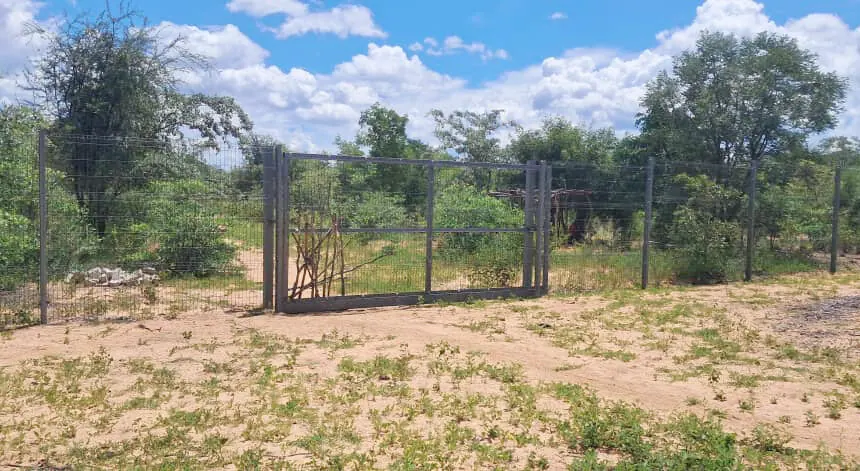
The committee's report, tabled in parliament this week, shows that some projects have remained incomplete for years, while communities continue receiving healthcare under conditions deemed inadequate. One of the clearest examples of the delays is the Nkurenkuru District Hospital in Kavango West, which has still not started construction more than a decade after former president Hifikepunye Pohamba broke ground for the hospital in 2014. Although a primary healthcare facility was completed on site, the planned district hospital remains unbuilt, and parts of the site have been vandalised.
Prime Minister Elijah Ngurare announced in May this year that the government had secured funding to build the Nkurenkuru hospital, offering fresh hope to a project that has remained on the drawing board for 12 years. However, Nkurenkuru is part of a broader infrastructure problem identified by the committee. In Oshana, the proposed Ondangwa District Hospital, approved in 2016, had been put on hold due to funding constraints, adding pressure on Oshakati Intermediate Hospital.
The committee recorded 737 admitted patients during its visit to Oshakati Intermediate Hospital and found that the casualty department was also handling outpatient services. In Omaheke, upgrades to clinics, including Aminuis, had stalled, while Gobabis District Hospital remained without an operating theatre despite an upgrade planned since 2017. The committee linked persistent construction problems to inadequate monitoring and a failure to hold contractors accountable.
The situation at smaller facilities, such as Sachona in Zambezi, shows how unfinished infrastructure directly affects patients and healthcare workers. A clinic has been operating from a tent since September 2024 because a two-room extension remains unfinished. The contractor was last seen at the facility in the first week of August 2024, yet the committee was told the same contractor later received another tender.
The committee also found that part of the money allocated to health infrastructure during the financial years under review was diverted to other projects instead of being used for its intended purpose. The infrastructure problems extended to transport, with single ambulances covering several clinics while other government vehicles stayed grounded for long periods. In Zambezi, one ambulance was serving seven health facilities, resulting in patients reportedly waiting more than four hours to be transported to Katima Mulilo.
Among the most disturbing conditions were those at Tsumkwe, where medical waste was dumped at an open site accessible to the public, and dogs were reportedly seen eating discarded placentas. The clinic's mortuary had also been out of service for five years. Healthcare workers told the committee they were struggling with excessive workloads, delayed or unpaid overtime, and emotional exhaustion, prompting MPs to recommend a labour audit, payment of legitimate outstanding overtime claims, and psychological support for staff.
Key points
- Namibia's public health infrastructure is under severe strain due to years of delayed and unfinished projects.
- The parliamentary committee has proposed quarterly progress reports from the health ministry to parliament to pressure the government to implement its recommendations.
- Healthcare workers are struggling with excessive workloads, delayed or unpaid overtime, and emotional exhaustion due to the current state of the healthcare system.