Namibia's producer price inflation rate decreased to 14.7% year-on-year in the third quarter of 2026, according to the National Producer Price Index (NPPI). This represents a sharp decline from the previous quarter. Despite the slowdown, production costs in manufacturing and mining remained elevated. The NPPI increased by 1.3% quarter-on-quarter and 14.7% year-on-year during the quarter under review. This reflects a moderation in producer-price pressures compared to the preceding quarter.
The manufacturing sector recorded the largest quarterly increase, rising 1.8%, followed by electricity generation, transmission and distribution, which increased by 1.7%. On an annual basis, manufacturing prices rose by 18.2%, while mining and quarrying increased by 10.0%. The continued increase in producer prices could exert pressure on consumer prices as higher production costs feed through to the final prices of goods and services.
The mining and quarrying index declined by 0.4% quarter-on-quarter, driven by lower producer prices for uranium, which fell 7.1%, and gold, which decreased 4.8%. However, mining producer prices were 10.0% higher than in the corresponding quarter of 2025. This was supported by uranium prices, which increased 19.6%, zinc prices, up 16.6%, and gold, which rose 13.8%.
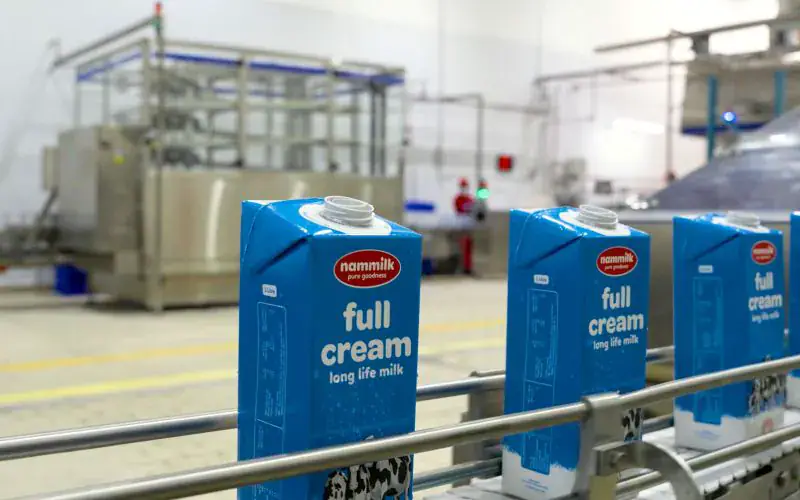
Manufacturing prices increased by 1.8% quarter-on-quarter, with diamond cutting and polishing recording an 11% increase, dairy products rising 4.9%, and grain mill products increasing 2.3%. Year-on-year, manufacturing prices increased by 18.2%, reflecting price increases in rubber and plastic products, which rose 53.2%, meat processing, up 17.6%, diamond cutting and polishing, up 16.3%, other non-metallic mineral products, up 14.9%, and grain mill products, which increased 11.6%.
The electricity generation, transmission and distribution index rose by 1.7% quarter-on-quarter but declined by 5.1% year-on-year. The quarterly increase followed a period of negative price changes between the fourth quarter of 2023 and the second quarter of 2026. The annual index remained in negative territory from the third quarter of 2024 through the second quarter of 2026.
Water collection, treatment and supply prices increased by 0.4% quarter-on-quarter but declined by 0.4% year-on-year. The water index stood at 100.4 in the third quarter, compared with 100.1 in the previous quarter. This indicates relatively limited price movements in the industry.
The producer price index measures changes in prices received by producers for goods and services. It provides an indication of movements in production costs before goods reach consumers. According to the Windhoek Observer, the slowdown in producer price inflation is a positive sign. However, the continued increase in production costs may still impact consumer prices in the future.
Key points
- Producer price inflation in Namibia decreased to 14.7% year-on-year in Q3 2026.
- Manufacturing prices rose by 18.2% year-on-year, with significant increases in rubber and plastic products.
- Mining producer prices were 10.0% higher than in the corresponding quarter of 2025.
Reporting sources
- Producer price inflation slows to 14.7% in Q3 · Windhoek Observer