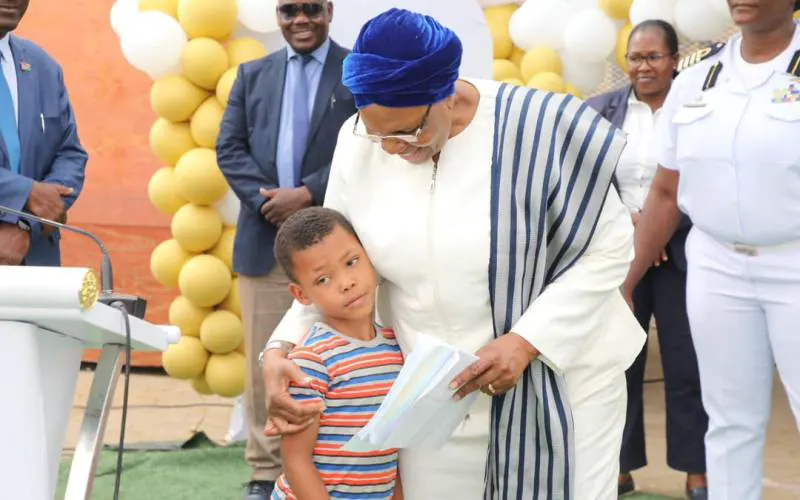
President Netumbo Nandi-Ndaitwah of Namibia has emphasized the need for equal opportunities for all children, regardless of their place of birth or upbringing. In her message marking the Day of the Namibian Child, she stated that children growing up in villages, farms, informal settlements, towns, and cities should have the same chance to learn, remain healthy, and pursue their dreams. The President's call aims to bridge the gap in access to education and healthcare across the country.
According to the Namibia Statistics Agency's 2023 Population and Housing Census, access to education varies significantly across the country. The census recorded a school enrolment rate of 78.4% in urban areas, compared to 74.6% in rural areas among the school-going population aged six to 24. Regional disparities are more pronounced, with Kunene recording an enrolment rate of 54.3%, while Kavango East, Ohangwena, and Oshana recorded rates of 82.8%, 82.4%, and 81.8%, respectively.
UNICEF Namibia has identified equitable access to education as an ongoing challenge, particularly for vulnerable children and those with disabilities. The organization notes that children from poor households and rural areas are more likely to miss school or drop out due to shortages in infrastructure, human resources, and learning materials. This highlights the need for targeted interventions to address these disparities and ensure equal access to education for all children.
President Nandi-Ndaitwah stressed that equal opportunity must extend beyond simply getting children into classrooms. She emphasized the importance of nurturing curiosity, critical thinking, and life skills, while giving children a voice in discussions about issues affecting their lives and future. The President also highlighted the role of parents, families, teachers, community leaders, churches, civil society, and government in creating environments that support children's development.
The gap between rural and urban children is also reflected in poverty rates. According to a UNICEF analysis, 64.4% of children in rural areas live in multidimensional poverty, compared to 30.4% of children in urban areas. This disparity underscores the need for comprehensive strategies to address poverty and ensure equal opportunities for all children.
President Nandi-Ndaitwah also highlighted the threats facing children, including violence, abuse, neglect, and exploitation. She emphasized that no child should live in fear in places where they should feel safest. The President urged children to study, ask questions, and believe in themselves, while encouraging adults to provide the necessary support and opportunities for them to succeed.
The President concluded by emphasizing the importance of collective responsibility in improving children's circumstances. She called on all stakeholders to work together to create environments that protect, support, and empower children to reach their full potential. By doing so, Namibia can ensure that every child has an equal chance to succeed, regardless of their background or place of birth.
Key points
- President Nandi-Ndaitwah calls for equal access to education, healthcare, and opportunities for all children in Namibia.
- UNICEF highlights disparities in education access, particularly for vulnerable children and those with disabilities.
- The President emphasizes collective responsibility in improving children's circumstances and creating a supportive environment for their development.