Thirty-six years after gaining independence from South Africa, Namibia's position on the international stage has become a topic of discussion. The country's liberation struggle and subsequent independence in 1990 were seen as a major victory for the international community, with the United Nations playing a significant role in the transition process. Namibia became the 160th member of the UN shortly after independence. The country's first democratic elections were supervised by the United Nations Transition Assistance Group.
In the years following independence, Namibia had significant influence at the UN, with Theo-Ben Gurirab, a key figure in the country's liberation struggle, serving as SWAPO's chief representative at the UN for 14 years. He later became Namibia's foreign minister and President of the 54th session of the UN General Assembly. Gurirab's leadership exemplified the country's diplomatic capacity and moral authority. His efforts helped move SWAPO from being a petitioner on the sidelines of diplomacy to a mainstream participant and negotiator in international affairs.
Namibia's diplomatic prominence after independence was partly due to the goodwill generated by its liberation struggle and transition to democracy. The country served on the UN Security Council in 1999 and 2000, presiding over the Council twice. During this period, Namibia participated in important UN and multilateral bodies and conferences, placing its representatives in rooms where consequential international decisions were being debated. These accomplishments were not merely ceremonial but demonstrated the country's ability to engage with the international community.
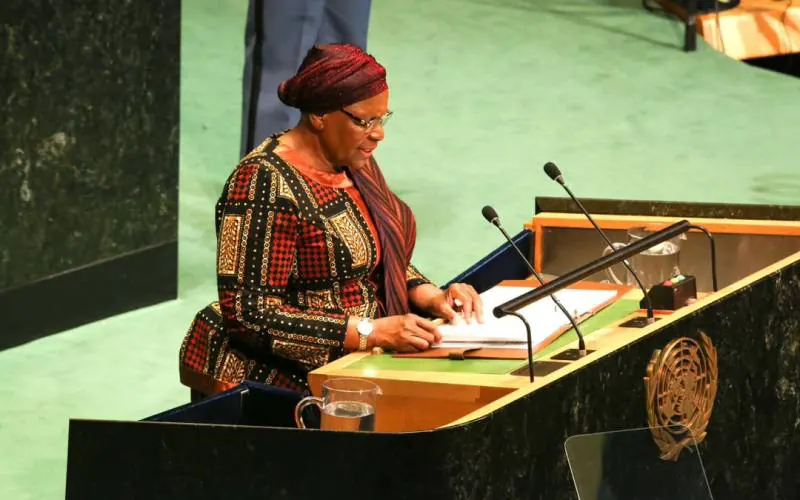
Today, Namibia continues to be an active advocate of multilateralism, African representation, and reform of the international system. President Netumbo Nandi-Ndaitwah has been a vocal proponent of these issues, highlighting Namibia's independence as a UN success story in her 2026 address to the 81st UN General Assembly. She argued for reform of the Security Council and stronger African representation in global decision-making. This demonstrates Namibia's ongoing commitment to international diplomacy and cooperation.
Despite this continued engagement, questions remain about whether Namibia's participation in international affairs is translating into influence. The difference between being heard and being influential is significant, with influence requiring coalitions, diplomatic persistence, expertise, and strategic relationships. Namibia needs to have an honest conversation with itself about its diplomatic record and whether it has consistently converted its moral reputation into a sustained diplomatic machine capable of advancing Namibian interests.
The current state of Namibia's diplomacy is multifaceted, with evidence of both engagement and limitations. On the one hand, the country has continued to articulate positions on global issues such as climate justice, the right to development, and the Palestinian question. On the other hand, it remains unclear whether these efforts are significantly impacting international decision-making. The Foreign Affairs ministry has highlighted Namibia's leadership on the Women, Peace and Security agenda, demonstrating the country's commitment to specific issues.
As Namibia looks to the future, it must consider how to build on its past successes and address its current limitations. This will require a nuanced understanding of the international system and the country's place within it. By examining its diplomatic record and engaging in honest discussions about its strengths and weaknesses, Namibia can work towards a more effective and influential role on the global stage.
Key points
- Namibia's influence on the global stage has decreased since its independence in 1990.
- The country's diplomatic record shows it has occupied important international positions but has not consistently converted its moral reputation into sustained diplomatic influence.
- Namibia continues to advocate for multilateralism, African representation, and reform of the international system.