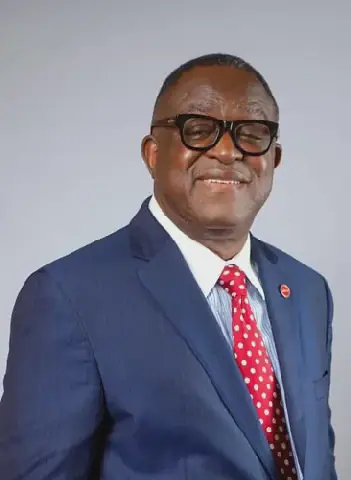
Namibia's Minister of Education, Arts, and Culture, Prent Mutenyika, has emphasized the crucial role that teachers play in the country's education system, describing them as the "heartbeat" of the sector. According to Mutenyika, teachers are essential for providing quality education and shaping the future of Namibia's learners. The minister made these remarks in a recent address, underscoring the importance of educators in driving educational outcomes.
The Namibian education system faces various challenges, including inadequate infrastructure and resources. Recently, the Erongo Region approached the private sector for N$230 million to improve school infrastructure. This request highlights the need for collaborative efforts to address the sector's shortcomings. Private sector involvement is seen as a potential solution to help bridge the funding gap and enhance educational facilities.
Education stakeholders have expressed concerns about the discipline of debating in schools. The Namibia Association of School Debating (NASD) has launched initiatives to promote debating as a valuable skill for learners. By fostering critical thinking, public speaking, and teamwork, debating can equip students with essential life skills. This initiative aims to empower learners to engage in constructive discussions and develop their confidence in expressing opinions.
The Namibia School Secondary Certificate Ordinary (NSSCO) and Advanced Subsidiary (AS) levels have seen improvements in pass rates. According to recent statistics, the NSSCO Key Performance Indicators (KPIs) have increased from 29% to 36%. This upward trend indicates progress in enhancing educational outcomes. However, challenges persist, particularly for part-time learners who continue to face difficulties in balancing their studies with other responsibilities.
Education officials have faced criticism for neglecting arts festivals. A recent incident saw the governor of a region expressing disappointment at the absence of education officials at an arts festival. This event highlights the need for a more integrated approach to education, incorporating arts and culture as essential components of a well-rounded curriculum. By recognizing the value of arts in education, officials can promote a more holistic learning experience.
Literacy programs have been launched to empower adults with new skills. These initiatives aim to provide adults with the opportunity to acquire literacy skills, enhancing their independence and socio-economic prospects. By investing in adult literacy, Namibia can equip its citizens with the tools needed to participate fully in the economy and society.
The education sector continues to evolve, with various stakeholders working to address existing challenges. As the sector moves forward, it is essential to prioritize collaborative efforts and innovative solutions. By working together, educators, policymakers, and private sector partners can drive meaningful change and improve educational outcomes for all Namibian learners.
Key points
- Teachers are essential for providing quality education in Namibia.