Namibia recorded an estimated 4 205 new cancer cases and over 2 000 cancer deaths in 2024, according to the Ministry of Health and Social Services. The figures, drawn from 2024 estimates by the World Health Organisation's International Agency for Research on Cancer, underscore the growing burden of cancer in the country. Deputy health minister Hambelelela Suzan Ndjaleka released the figures at a World Hospice and Palliative Care Day event in Windhoek.
Breast cancer was the most commonly diagnosed cancer among Namibian women, followed by cervical cancer. Cervical cancer accounted for 18.3% of all cancers among women and remained a leading cause of cancer mortality. The ministry identified prostate cancer, Kaposi sarcoma, and colorectal cancer as placing significant pressure on the country's health system. These cancers highlight the need for effective prevention, early detection, and treatment strategies.
Ndjaleka emphasized the importance of palliative care, particularly for patients whose conditions had advanced despite prevention and early detection efforts. Palliative care is essential to ensure that patients live with dignity, comfort, and freedom from pain. The ministry has introduced human papillomavirus vaccinations and strengthened cervical cancer screening to prevent and detect cancer early.
The ministry plans to launch the National Cervical Cancer Elimination Strategic Plan 2025–2030 and the National Cervical Cancer Guidelines 2025. These initiatives aim to reduce the incidence and mortality rates of cervical cancer in Namibia. The ministry is committed to expanding cancer screening, upgrading treatment and referral systems, and integrating nutritional and psychological support into home-based care.
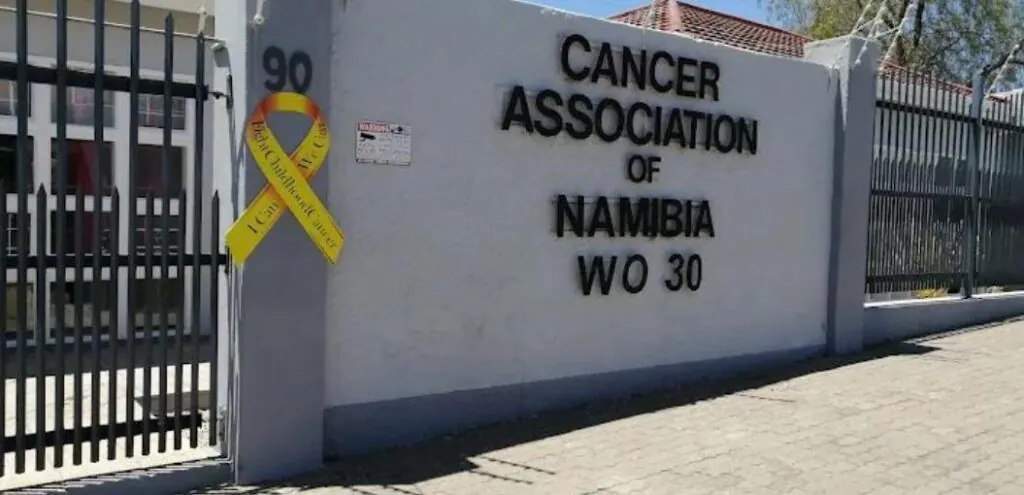
Ndjaleka recognized the role of organizations such as Hope Home-Based Healthcare and the Cancer Association of Namibia in providing patient advocacy, awareness campaigns, and supportive care. Hope Home-Based Healthcare, based in Tsumeb, has provided home-based support, mobile clinic services, and cancer awareness since 2016. These partnerships are crucial in addressing the cancer burden in Namibia.
Ndjaleka stressed that no one should suffer in silence or face the end of life without dignity. The ministry's efforts to expand cancer care and support services aim to ensure that patients receive compassionate care. The government's commitment to addressing cancer is reflected in its plans to improve cancer screening, treatment, and care.
The ministry's initiatives to address cancer are multifaceted, focusing on prevention, early detection, treatment, and palliative care. By launching strategic plans and guidelines, the ministry aims to reduce the impact of cancer on Namibian communities. The government's efforts to address cancer will continue to be crucial in improving the health and well-being of the population.
Key points
- Namibia recorded 4 205 new cancer cases and over 2 000 cancer deaths in 2024.
- Breast cancer and cervical cancer are the most common cancers among Namibian women.
- The ministry plans to launch the National Cervical Cancer Elimination Strategic Plan 2025–2030 and the National Cervical Cancer Guidelines 2025.