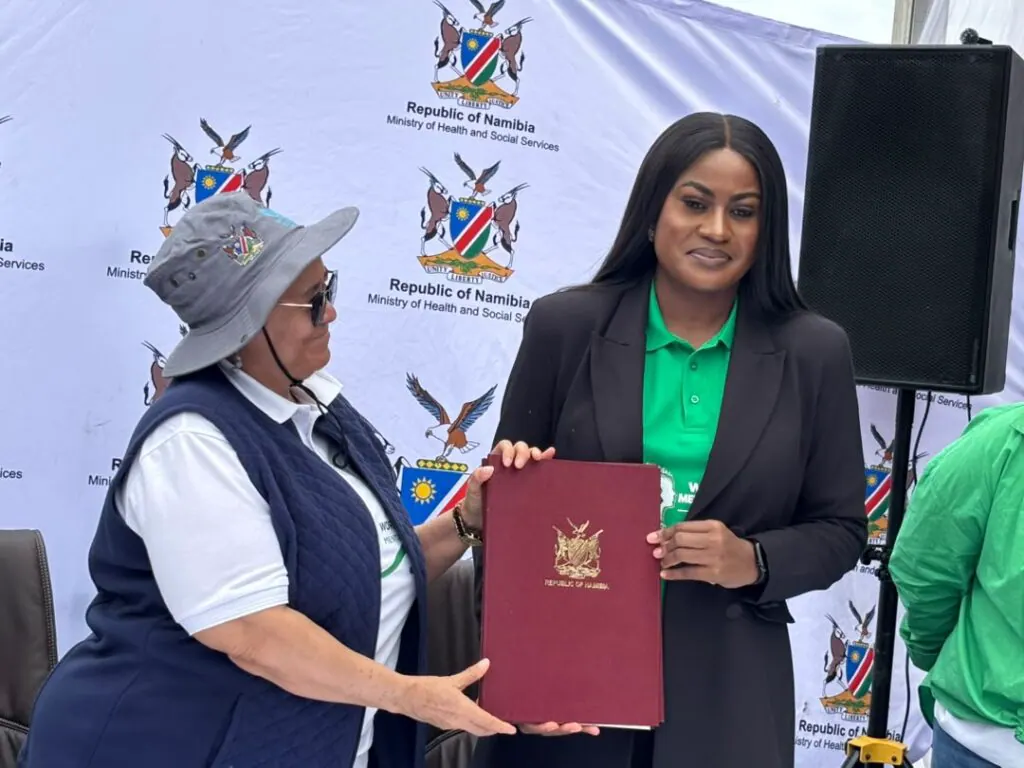
The Namibian Ministry of Health and Social Services has announced plans to establish at least five new mental health units nationwide by 2037. This initiative is part of a broader effort to enhance access to mental healthcare treatment across the country. Health Minister Esperance Luvindao emphasized that these units will prioritize underserved regions, focusing on tangible improvements for those in need of care.
Currently, Namibia has only two institutions offering mental healthcare services: Windhoek Central Hospital and Oshakati Intermediate Hospital. Minister Luvindao stated that the ministry aims to have at least five mental health units operational nationwide by March 31, 2037. This move is crucial in addressing the country's mental health needs, especially considering the limited availability of mental health facilities and services.
According to Chief Health Programme Officer Magdalena Didalelwa, mental health issues in Namibia are significant. In the 2024/25 financial year, 123 people with mental illnesses died due to various factors, including stigma, discrimination, family distress, and social ills. The Ohangwena region reported 365 attempted suicides between April 2024 and June 2025, with 12 successful cases in July 2025.
The ministry reported that 11,489 people were admitted for mental health issues, while 91,544 mental health cases were reported during the same period. Minister Luvindao noted that many cases remain undiagnosed due to limited awareness, stigma, and restricted access to mental health facilities. The country currently has only six state psychiatrists, four of whom are Namibian.
To address these challenges, the ministry plans to increase the number of doctors sent for psychiatric specialization to three annually. Achieving this target could result in 21 new psychiatrists by 2026, the anticipated year for implementing the Mental Health Act. This act seeks to prioritize human rights, community care, and rehabilitation.
The mental health bill, currently awaiting the president's consideration, aims to enhance mental health services in Namibia. Minister Luvindao emphasized that passing the bill is a crucial step, but it must be accompanied by increased access to mental healthcare services. The establishment of new mental health units is a key component of this effort.
The ministry's plan involves a phased approach to addressing mental health needs in Namibia. Minister Luvindao stated that the goal is not to fix everything at once but to prioritize what is important. The anticipated expansion of mental health units and increased psychiatric specialization are critical steps toward improving mental healthcare in the country.
Key points
- Namibia aims to establish five new mental health units by 2037 to improve access to mental healthcare.
- The country currently has only two mental healthcare institutions and six state psychiatrists.
- The ministry plans to increase the number of doctors sent for psychiatric specialization to three annually.