The Directorate of Veterinary Services in Namibia has announced the partial lifting of foot-and-mouth disease (FMD) restrictions, effective 27 September 2026. According to Veterinary Public Notification No. 16 of 2026, the easing of controls applies to areas outside the //Kharas Region. This decision comes after preliminary tracing and livestock inspections showed that the outbreak is still confined to the //Kharas Region.
The tracing and inspection of cattle that moved from the infected Karasburg-district farm to Otjozondjupa before the outbreak was detected have been completed. Fortunately, the herd has been cleared after testing negative for FMD. As a result, restrictions on movement within the area north of the Veterinary Cordon Fence have been lifted with immediate effect.
With the partial lifting of restrictions, cooked meat and pasteurised milk and butter are allowed to move from north to south of the fence under normal protocols. However, some cross-fence movement of cloven-hoofed animals and certain animal products remains restricted. The new regulations also permit countrywide movement and trade for cooked and processed meat products, pasteurised milk and milk products, and hides processed up to wet-blue.
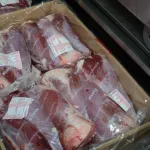
In areas south of the fence, excluding //Kharas, raw meat already in registered abattoirs, butcheries, and cold storage may move again if its origin is documented. Additionally, meat bought from retailers or butcheries may be transported with proof of purchase. Livestock may go directly to abattoirs for slaughter under a veterinary permit, provided they pass a clinical examination and test negative for FMD.
Registered abattoirs are allowed to slaughter animals that have been isolated for 30 days and tested negative for FMD. However, farm and homestead slaughter for sale remains prohibited until further notice. Slaughter for own home consumption is allowed, but the meat may not leave the premises.
Despite the partial lifting of restrictions, livestock auctions and international exports remain on hold. The Directorate of Veterinary Services continues to monitor the situation, and further changes will depend on the development of the FMD situation. Producers are advised to report any suspicious symptoms, such as sores or blisters around the mouth and hooves, excessive salivation, reluctance to move, and loss of body condition.
The partial lifting of FMD restrictions aims to alleviate the impact on the livestock industry while ensuring that the disease does not spread further. The Directorate of Veterinary Services will continue to provide updates and guidance as the situation evolves.
Key points
- Livestock auctions and exports remain restricted.
- Movement of cooked meat and pasteurised milk products is allowed across the Veterinary Cordon Fence.
- Farm and homestead slaughter for sale remains prohibited.