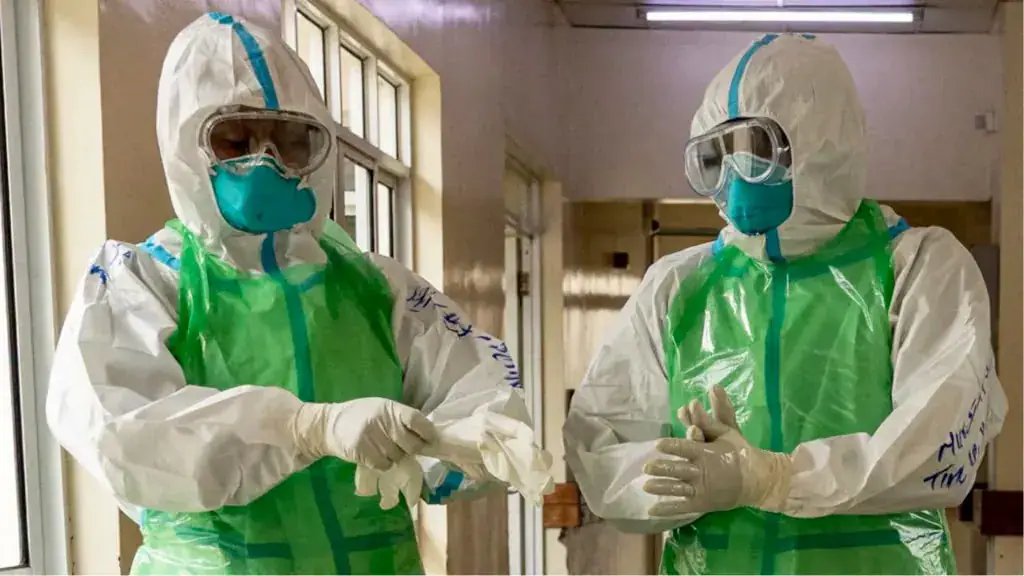
The Namibian government has increased its vigilance for Ebola after the Democratic Republic of the Congo (DRC) reported an outbreak, and cases were confirmed in Kenya and Nigeria. Although no suspected or confirmed cases have been reported locally, the Ministry of Health and Social Services is strengthening surveillance and preparedness at entry points to ensure early detection of potential cases. This move aims to protect the public from the highly infectious and often fatal disease.
According to the Ministry of Health and Social Services, the risk to the Namibian public remains low. However, the ministry has taken proactive measures to enhance preparedness. Acting executive director of health and social services, Theo-Ben Kandetu, stated that the ministry has moved to a state of high preparedness and vigilance. This includes improving surveillance and screening processes at ports of entry to quickly identify any potential cases.
The Ebola outbreak in the DRC, caused by the Bundibugyo virus, has resulted in 10,091 confirmed cases and 4,891 deaths as of October 25. The outbreak, first declared on May 15, has spread to eight provinces, with Ituri being the most affected. The situation is further complicated by the fact that there are currently no licensed vaccines or approved specific antiviral treatments for the Bundibugyo strain.
The outbreak has also spread to other countries, including Kenya and Nigeria. Kenya confirmed its first imported case on October 6, involving a citizen who had been living in the DRC and traveled through Uganda before arriving in Nairobi. The patient died on October 5, and by October 23, Kenya had reported nine confirmed cases, including two deaths. Nigeria reported its first case on October 20 in the Federal Capital Territory.
The Ministry of Health and Social Services warns that Ebola is a severe and potentially fatal illness that can initially spread to humans through contact with infected animals. Human-to-human transmission occurs through direct contact with the blood, secretions, and other bodily fluids of infected people, as well as contaminated materials and surfaces. The ministry emphasizes the importance of early detection, as the disease has a high case fatality rate of about 48% in the DRC.
Symptoms of Ebola generally develop between two and 21 days after exposure and include sudden fever, intense fatigue, muscle and joint pain, severe headaches, sore throat, vomiting, diarrhea, and abdominal pain. Bleeding may occur in advanced stages, although it is not present in every case. The ministry notes that early symptoms can resemble common illnesses such as malaria and typhoid fever, potentially delaying diagnosis if a patient’s travel and exposure history is not established promptly.
The Namibian government urges the public to be aware of the risks and take precautions to prevent the spread of the disease. The ministry will continue to monitor the situation and provide updates as necessary. The public is advised to report any suspected cases to the authorities immediately.
Key points
- The Ministry of Health and Social Services has strengthened surveillance and preparedness at points of entry.
- The Ebola outbreak in the DRC has resulted in 10,091 confirmed cases and 4,891 deaths.
- There are currently no licensed vaccines or approved specific antiviral treatments for the Bundibugyo strain.