The Namibian Ministry of Agriculture, Fisheries, Water and Land Reform has provided an update on the recent foot-and-mouth disease (FMD) outbreak in the Karasburg Veterinary District of the ||Kharas region. Following the confirmation of the outbreak, the Directorate of Veterinary Services (DVS) implemented control measures in line with the Animal Health Act of 2011. These measures included intensified disease surveillance, restriction of livestock movement in the infected farm, and tracing of livestock movement prior to the outbreak detection.
The ministry has announced that livestock moved from the infected farm to the Otjozondjupa region prior to the outbreak detection have been traced and tested negative for FMD. As a result, the herd has been cleared of infection. Preliminary findings indicate that the disease remains localized in the ||Kharas region, with no evidence suggesting transmission to regions north of the veterinary cordon fence, including Kunene, Ohangwena, Omusati, Oshana, Oshikoto, Kavango East, Kavango West, and Zambezi.
The ministry has partially lifted initial restrictions and measures. For areas north of the veterinary cordon fence, restrictions on the movement of cloven-hoofed animals and their products have been lifted with immediate effect. However, protocols for moving commodities such as cooked meat, pasteurized milk, and butter from north to south of the veterinary cordon fence will resume subject to the Animal Health Act of 2011.
Despite the partial lifting of restrictions, the movement of cloven-hoofed animals and their products, including meat, skin, unpasteurized milk, butter, and kraal manure, to areas north of the veterinary cordon fence remains restricted. The ministry has also lifted restrictions on the movement of certain products in areas south of the veterinary cordon fence, excluding the ||Kharas region. These include raw meat in storage at registered facilities, meat purchased from retailers and butcheries with proof of purchase, and baled grass, lucerne, straw, forage, hay, silage, and crop residue.
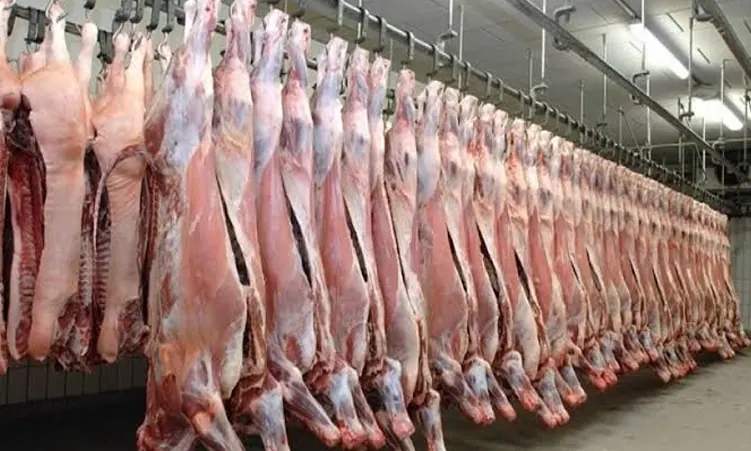
The ministry has made provisions for slaughtering animals within areas south of the veterinary cordon fence, excluding the ||Kharas region. Animals that have been standing in registered establishments with approved biosecurity measures, such as feedlots and quarantine stations, and have shown no introduction of new animals for the past 30 days are allowed to move. This decision aims to minimize the impact on the livestock industry while ensuring animal health and safety.
The Namibian government has taken a cautious approach to managing the FMD outbreak, balancing the need to control the disease with the need to minimize economic disruption. The partial lifting of restrictions is expected to provide relief to farmers and the general public while preventing the spread of the disease to other regions. The ministry has urged farmers and the public to cooperate with the DVS in implementing control measures to contain the outbreak.
The FMD outbreak in the ||Kharas region has highlighted the importance of animal health and disease control measures in Namibia. The ministry's efforts to contain the outbreak and prevent its spread to other regions are crucial in protecting the country's livestock industry. The public has been advised to report any suspected cases of FMD to the relevant authorities to ensure prompt action and prevent further spread of the disease.
Key points
- The Namibian Ministry of Agriculture has partially lifted restrictions imposed due to the FMD outbreak in the ||Kharas region.
- Livestock moved from the infected farm to the Otjozondjupa region have tested negative for FMD.
- The disease remains localized in the ||Kharas region, with no evidence of transmission to regions north of the veterinary cordon fence.