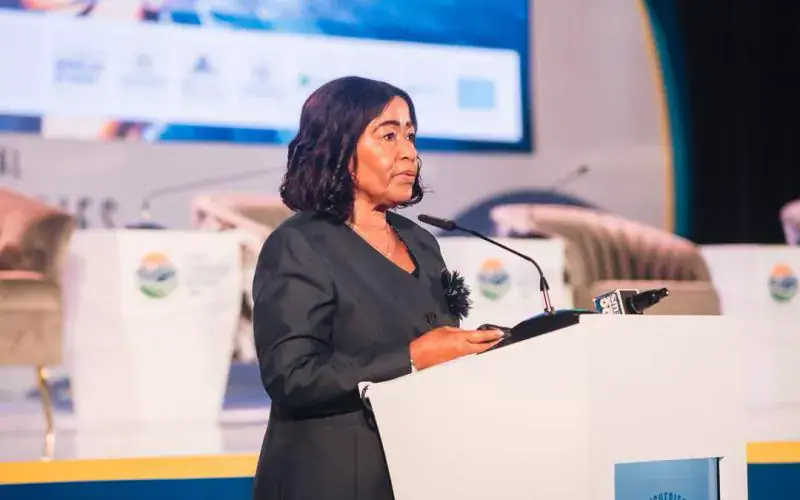
Namibia is bracing for recurring water shortages during every dry season for the next few years due to ageing infrastructure, inadequate pumping capacity, and unreliable electricity. These factors continue to undermine water supply across the country, with Agriculture, Fisheries, Water and Land Reform Minister Inge Zaamwani warning that communities should prepare for continued disruptions. The warning comes as several regions experience water shortages, with households facing dry taps, rotational rationing, and increasing reliance on water tankers.
The situation is particularly concerning in the north-central regions, where demand rises sharply after seasonal water sources dry up around September. The country's water supply is also being affected by repeated electricity interruptions, with NamWater recording 22 major power-related disruptions between April and September. These interruptions affect purification plants and pumping stations, with reservoirs sometimes taking weeks to recover after power failures.
The current state of the country's main dams supplying Windhoek and surrounding areas is a cause for concern, with the three main dams at a combined 39.4% capacity as of November 16, down from 63.9% during the same period last year. Omatako Dam is completely empty, and national dam storage stood at 76.4%, down from 79.7% a year ago. The regional climate outlook points to an increased likelihood of below-normal rainfall between December and February.
Water shortages are being felt across several regions, with infrastructure constraints and insufficient pumping capacity affecting both urban and rural communities. In Omusati, 23 branch lines are affected, while villages around Eenhana in the Ohangwena Region have also experienced shortages. In Oshikoto, more than 2,600 households are located along pipelines requiring booster pumps to improve water pressure.
The situation is dire in Kunene, where the Opuwo purification plant produces 140 cubic metres of water per hour against an estimated demand of 250 cubic metres. Kamanjab has introduced water rationing as borehole yields have dropped to approximately half their usual output. In the Kavango regions, ageing infrastructure has left demand exceeding available supply, with parts of Rundu already experiencing rationing.
The government has introduced several measures to mitigate the crisis, including rotational rationing on stressed pipelines, deploying water tankers, and installing 95 boreholes countrywide. It is also constructing 13 small-scale desalination plants while maintaining 24 existing facilities. However, one proposed intervention remains without funding, with NamWater considering installing standby generators at vulnerable treatment plants and pumping stations.
Minister Zaamwani also urged local authorities to prioritise repairing leaks, introduce water-demand management measures, and consider rationing where necessary. She encouraged communities to report leakages and refrain from illegal water connections, as some local authorities lose as much as 40% of the water supplied by NamWater through leaking pipes, further worsening shortages.
Key points
- The water crisis in Namibia is expected to persist for years due to ageing infrastructure and unreliable electricity.
- The government has introduced several measures to mitigate the crisis, including rotational rationing and installing boreholes.
- Local authorities are urged to prioritise repairing leaks and introduce water-demand management measures.
Reporting sources
- Zaamwani admits water crisis to haunt Namibia for years to come · Windhoek Observer