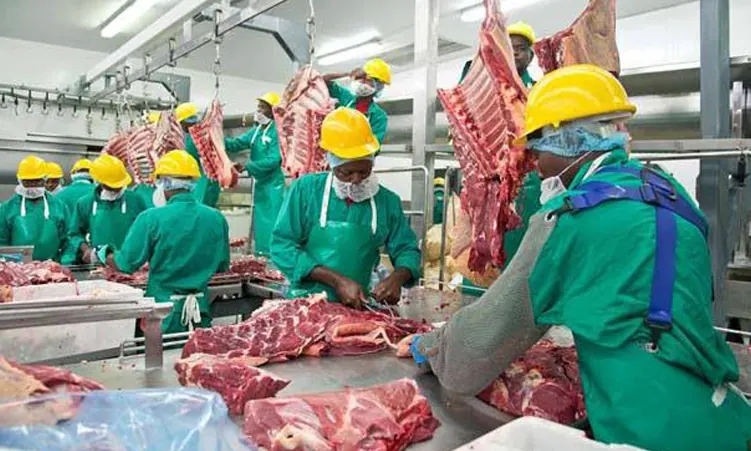
A recent foot-and-mouth disease outbreak in Namibia has raised concerns about the country's ability to export beef to European markets. According to a report by Simonis Storm, Namibia could lose its N$3.3 billion European market due to the outbreak, which compromises the country's disease-free status. The outbreak has resulted in the activation of Namibia's FMD contingency plan, which includes the suspension of the movement and marketing of cloven-hoofed animals, slaughtering at abattoirs, and the import and export of cloven-hoofed animals and their raw products.
The impact of the outbreak on Namibia's economy could be significant, with the country's economic growth potentially dropping by about 0.45 percentage points if livestock production falls by 10%. The European market is crucial for Namibia's beef exports, accounting for about 60% of the country's beef export earnings. The strict sanitary rules applied by European, British, and Norwegian markets make them the first to close in the event of an FMD outbreak.
The Namibian government is engaging with international trading partners to mitigate the impact of the outbreak. Executive director of international relations and trade Ndiitah Nghipondoka-Robiati stated that the government is working to ensure that a notification is made to the World Trade Organisation and the relevant international animal-health standards and protocols. However, Nghipondoka-Robiati declined to comment on the position of individual trading partners while consultations are still ongoing.
The Meat Corporation of Namibia (Meatco) is working to establish what will happen to beef consignments that were already exported, shipped, or in transit before Namibia confirmed the FMD outbreak. Meatco board deputy chairperson Stephanie de Klerk stated that the company is consulting veterinary authorities, logistics companies, customers, and importing countries over consignments that were already on their way to export markets.
The FMD outbreak comes after Namibia exported meat and meat products worth N$1.43 billion during the first five months of 2026. De Klerk stated that it is too early to determine whether beef already exported would have to be returned. The return of consignments will depend on veterinary certification, when consignments were dispatched, their current status, and the requirements of importing countries.
Meatco is currently inspecting consignments already dispatched or still in the logistics chain and undertaking a reconciliation of consignments already dispatched or currently in the logistics chain. Further information will be communicated once their status and any instructions from the relevant authorities and export markets have been confirmed. De Klerk stated that Meatco does not wish to speculate on the treatment of individual consignments or whether any product may need to be returned.
A prolonged suspension of beef exports could have significant consequences for Namibia's economy, including reduced farmers' incomes, weakened meat processing, and an increased trade deficit. The country's ability to regain its disease-free status and resume beef exports will depend on the effectiveness of its FMD contingency plan and its engagement with international trading partners.
Key points
- Namibia risks losing its N$3.3 billion European beef market due to the FMD outbreak.
- The outbreak could lead to a complete suspension of beef exports to international markets.
- A prolonged suspension could reduce farmers' incomes, weaken meat processing, and increase Namibia's trade deficit.