Namibia is experiencing a surge in onion production, however, this abundance is contrasted with a predicted four-month shortage. The current glut has resulted in a challenging situation for farmers and the agricultural sector. With an oversupply of onions, farmers are struggling to find markets for their produce, potentially leading to financial losses. This situation highlights the complexities of agricultural production and the need for effective planning and management.
The education sector in Namibia is facing a funding crisis, which threatens the implementation of free tertiary education and the overall quality of education. The Ministry of Education has warned that the funding shortfall could have severe consequences for schools and students. Despite a N$28 billion plan to overhaul the education system, the sector continues to face significant challenges. These challenges include a shortage of teaching posts, inadequate infrastructure, and a lack of resources.
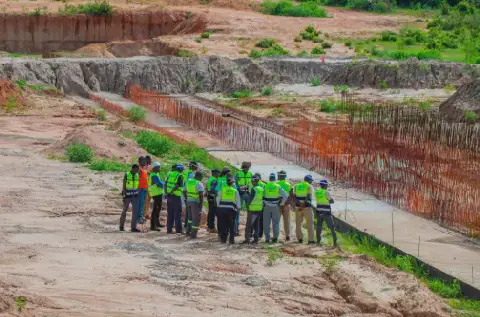
The Namibian government has approved a N$4 billion project to link the Baynes hydroelectric power plant to the national grid. This project aims to increase the country's energy generation capacity and reduce its reliance on imported electricity. The project is expected to have a positive impact on the economy and improve the lives of Namibians. However, the implementation of the project will require careful planning and management to ensure its success.
A recent outbreak of Foot-and-Mouth Disease (FMD) has been confirmed at a farm in Karasburg. The outbreak has raised concerns about the impact on the country's agricultural sector and the potential for the disease to spread to other areas. The government has implemented measures to contain the outbreak and prevent further spread of the disease. These measures include quarantine and vaccination programs.
The youth sector in Namibia has received a significant boost with a N$317 million injection into the Youth Fund. However, only N$90.8 million has been disbursed so far. The fund aims to support young entrepreneurs and provide them with the resources they need to start and grow their businesses. The disbursement of the fund is expected to have a positive impact on youth unemployment and economic growth.
The education sector in Namibia is also facing challenges related to infrastructure and resources. Many schools lack adequate facilities, including classrooms, libraries, and laboratories. The shortage of teaching posts and the lack of resources have resulted in a significant burden on teachers and students. The government has implemented initiatives to address these challenges, including the construction of new schools and the provision of resources.
The President of Namibia has expressed openness to exploring coal and Aranos deposits. This move is expected to have a positive impact on the country's economy and energy sector. However, the exploration and exploitation of these resources will require careful planning and management to ensure that they are done in a sustainable and responsible manner. The President's statement has sparked interest and debate among stakeholders and the general public.
Key points
- Namibia faces challenges in agriculture, including an onion glut and four-month shortage.
- The education sector in Namibia is facing a funding crisis that threatens the implementation of free tertiary education.
- The government has approved a N$4 billion project to link the Baynes hydroelectric power plant to the national grid.