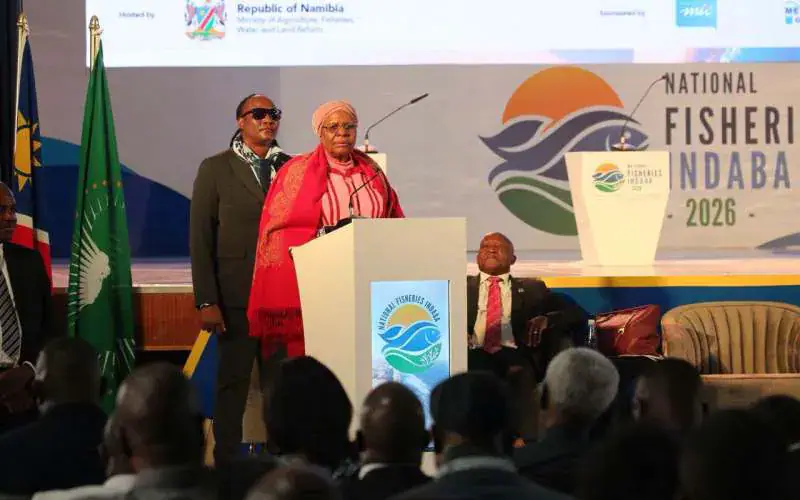
The Namibian government has reduced its hake Total Allowable Catch for the 2026/2027 fishing season by 17,000 tonnes to 116,000 tonnes. This represents a 13% decline from the previous allocation of 133,000 tonnes. The reduction was made by the ministry of agriculture, fisheries, water and land reform to ensure the long-term sustainability of Namibia's marine resources.
The ministry stated that the reduction was necessary due to declining fish stocks. The Rock Lobster TAC remains unchanged at 180 tonnes. The government aims to achieve 100% wet fish allocation as part of efforts to increase onshore value addition, employment creation, and economic benefits from the fishing industry.
The policy direction is intended to encourage increased fish landings in Namibia, expand shore-based processing activities, stimulate investment in local processing capacity, and create more employment opportunities across the fisheries value chain. The ministry will consult stakeholders on this long-term objective.
Fishing right holders whose rights expire during the 2026/2027 fishing season will receive prorated quota allocations based on the remaining validity periods of their rights. A significant number of fishing rights are scheduled to expire on 31 December 2026 and 31 May 2027. The ministry is evaluating the affected fishing rights and expects the process to be completed before their rights expire.
The ministry has urged fishing companies to increase fish supplies to the domestic market amid the ongoing foot-and-mouth disease outbreak and its potential impact on the availability of meat products. Fish remains an important and nutritious alternative source of animal protein, particularly when supplies of other protein sources are constrained.
In June, President Netumbo Nandi-Ndaitwah met with the Confederation of Namibian Fishing Associations to discuss the sustainability, challenges, and economic contribution of Namibia's fishing sector. Nandi-Ndaitwah reaffirmed the government's commitment to the fishing industry, underscoring its vital role in job creation, food security, and foreign exchange earnings.
The government will rigorously assess performance and compliance when allocating fishing quotas to ensure that access to the country's marine resources rewards those who demonstrate meaningful contribution to Namibia's development. The ministry appealed to the fishing industry to exercise patience while the government manages declining fish stocks and ensures that quota allocations remain transparent, fair, and consistent with the applicable legal framework.
Key points
- The Namibian government reduced the hake Total Allowable Catch for the 2026/2027 fishing season to 116,000 tonnes, a 13% decline from the previous allocation.
Reporting sources
- Hake quota cut by 13% to 116 000 tonnes · Windhoek Observer