A recent surge in domestic violence cases in Namibia has sparked concerns among social workers and authorities. According to statistics, 4,965 gender-based violence cases were recorded during the 2025/26 financial year, with 685 cases reported in the Khomas region. In Windhoek, 290 domestic violence cases were recorded between January and May this year. Social worker Inotila Mwafongwe has urged citizens to take the issue seriously and stop treating domestic violence as a private matter.
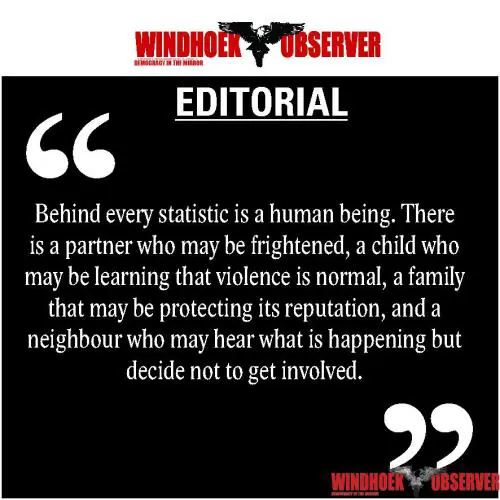
The actual number of cases is believed to be higher, as many victims remain reluctant to report abuse. Mwafongwe emphasized that behind every statistic is a human being, including a partner who may be frightened, a child who may be learning that violence is normal, and a family that may be protecting its reputation. The reluctance to report cases can be attributed to various factors, including economic dependence, fear, family pressure, and social expectations.
The Namibian government has taken steps to address the issue, with the Combating of Domestic Violence Act allowing people with an interest in the victim's wellbeing to report domestic violence. This includes family members, police officers, social workers, healthcare providers, teachers, and employers. Mwafongwe urged people who hear someone being assaulted to call the police, emphasizing that the victim can still decide whether to open a case.
Intervention does not mean taking control of a victim's life, but rather refusing to become indifferent to violence. The responsibility of witnesses or those who hear the abuse is to do what they reasonably can to bring help. Mwafongwe's message is clear: citizens must take an active role in preventing domestic violence and supporting victims.
Domestic violence is not exclusively a women's issue, as men can also be victims of physical and sexual abuse. Mwafongwe pointed out that a society serious about confronting violence must be able to acknowledge every victim while recognizing the different circumstances in which abuse occurs. Prevention must begin long before a relationship becomes violent, and this includes teaching respect, boundaries, and consent.
The Windhoek Observer's podcast, The Catalyst, has been facilitating conversations on domestic violence, including an episode featuring Mwafongwe. The podcast aims to open space for discussions that extend beyond the day's headlines and engage with questions about who Namibians are and where they are going. The conversation on domestic violence is a crucial one, and it demands continued attention and action.
To effectively address the issue, Namibians must broaden the conversation and work together to prevent domestic violence. This includes teaching boys to express emotion in a healthy way, managing anger, and navigating conflict. Men must also be willing to tell other men that abuse is unacceptable, and citizens must be willing to take an active role in supporting victims and preventing violence.
Key points
- Namibia recorded 4,965 gender-based violence cases in 2025/26.
- 290 domestic violence cases were reported in Windhoek between January and May this year.
- Social workers and authorities are urging citizens to take an active role in preventing domestic violence and supporting victims.