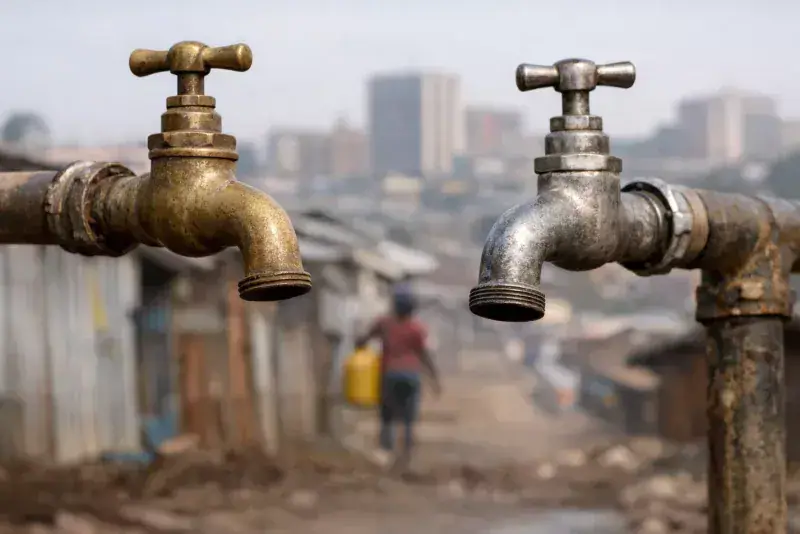
Residents of Nairobi and surrounding counties are advised to use water sparingly due to extended rationing caused by a 35% reduction in production at Ngethu and Kigoro water treatment plants. The reduction is attributed to below-average rainfall in the Ndakaini Dam catchment area, resulting in decreased inflows into the dam. This development is expected to affect seven water companies that draw from the affected supply system.
The affected water companies include Nairobi City Water and Sewerage Company (Nairobi Water), Githunguri Water and Sanitation Company, Kiambu Water and Sanitation Company, Karuri Water and Sanitation Company, Mavoko Water and Sewerage Company, Oloolaiser Water and Sewerage Company, and Olkejuado Water and Sewerage Company. These companies serve various areas in Nairobi, Kiambu, Machakos, and Kajiado counties.
According to Nairobi Water, the reduction in production will lead to longer water rationing periods for customers served by the affected water service providers. The company has appealed to customers to use available water prudently, avoid wastage, and prioritize essential household and other critical needs during this period. The rationing is expected to extend beyond Nairobi, affecting several surrounding counties.
The decline in storage at Thika Dam, the principal source of water for Nairobi and surrounding areas, has necessitated reduced abstraction to preserve the available reserves. Nairobi Water has warned that the reduction will affect supply immediately, with production volumes to be reviewed periodically depending on reservoir recovery and rainfall.
This announcement comes barely 24 hours after Nairobi Water issued a separate notice of a scheduled 24-hour water supply interruption affecting several estates and neighborhoods in Nairobi. The planned shutdown is necessary to facilitate the installation of new pipe connections near Kianda School, off Waiyaki Way, as part of works intended to improve service reliability.
Areas affected by the 24-hour interruption include Westlands, Riverside, Parklands, Kilimani, Kileleshwa, Lavington, Upper Hill, Lower Hill, Madaraka, Langata, Kibera, Jamhuri, Woodley, and parts of Ngong Road, alongside several hospitals and other institutions. Nairobi Water has apologized for the inconvenience caused by both developments, urging customers to conserve available supplies as it manages the reduced water resources.
The water rationing is expected to have a significant impact on residents and businesses in the affected areas. Nairobi Water has assured customers that it is working to manage the situation and minimize disruptions. The company's efforts to improve service reliability, including the installation of new pipe connections, are expected to enhance water supply in the long term.
Key points
- The reduction in water production is due to below-average rainfall in the Ndakaini Dam catchment area.
- Seven water companies are affected by the reduction in production, serving various areas in Nairobi, Kiambu, Machakos, and Kajiado counties.
- Customers are advised to use water sparingly and prioritize essential needs during this period.
Reporting sources
- Nairobi faces prolonged water rationing · The Star