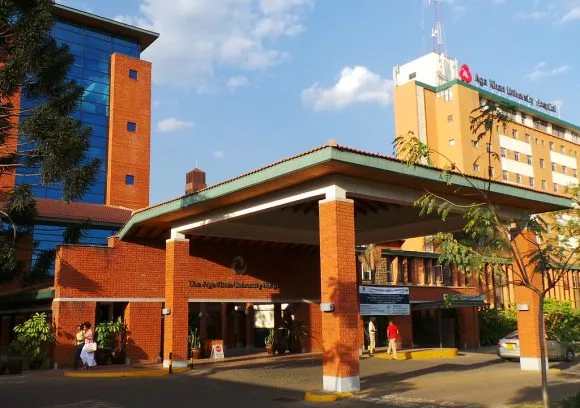
A young boy in Nairobi has been diagnosed with a rare genetic disorder that causes him to feel hungry all the time, even after eating all day. The boy, who weighed 103 kilogrammes at the age of 11, has been under observation at Aga Khan University Hospital's paediatric endocrinology clinic since mid-2023. Doctors said his weight has ballooned to dangerously high levels, and he mostly uses a wheelchair due to his obesity. His height is far below that of children his age.
Dr Katherine Oyieke, a paediatric neurologist at the Aga Khan University Hospital in Nairobi, and paediatric endocrinologist Dr Menbere Kahssay, confirmed that the boy has Prader-Willi syndrome (PWS). According to the doctors, people with PWS do not have control over their hunger and fullness, leading them to feel hungry even after eating. The diagnosis offers a rare glimpse into a condition that affects about one in every 15,000 newborns. This appears to be among the first confirmed cases from Kenya.
The boy was initially assessed using the Holm criteria, a 1993 screening tool that scores factors such as poor feeding as a baby, rapid weight gain, distinctive facial features, developmental delay, and small hands and feet. He scored well above the threshold needed to suspect Prader-Willi syndrome. A genetic test that examines the structure of a person's chromosomes later confirmed the diagnosis. The tests showed that he had two copies of ‘chromosome 15’ from his mother, instead of receiving one copy from each parent.
The doctors said the case highlights the importance of assessing children with unusual patterns of obesity for genetic conditions. Prader-Willi syndrome is a complex, rare, genetic multisystem disease, and early diagnosis is crucial for initiating correct care. The doctors also emphasized the need for awareness and access to genetic testing, particularly in low- and middle-income countries, where cases of Prader-Willi syndrome may remain undiagnosed or unreported.
The Nairobi boy is now receiving care from several specialists, including doctors dealing with hormones, the nervous system, bones, nutrition, and child development. His treatment includes a structured diet, physical activity, vitamin D, physiotherapy, speech therapy, and educational support. A restricted, supervised diet and regular physical activity are cornerstone treatments in PWS. However, some treatment remains out of reach due to its cost, including growth hormone to increase height, improve bone density, and reduce body fat.
Despite the challenges, there has been improvement in the boy's condition. After 12 months of follow-up, he is now sleeping more regularly, communicating better, and able to stand without help. He can also walk short distances with support and has remained free of seizures. However, he still largely depends on a wheelchair due to his obesity and limited mobility. The doctors suspect that many cases of Prader-Willi syndrome in low- and middle-income countries remain undiagnosed or unreported due to limited awareness and poor access to genetic testing.
The doctors have advised parents and medics to watch out for babies who feed poorly and seem unusually ‘floppy’ at birth, then later develop a sudden, constant hunger, slow growth, and delayed speech or movement milestones. The boy's parents allowed the case to be documented, and the report is titled “Child with genetically confirmed Prader-Willi syndrome.” The case was published in the BMJ Case Reports journal.
Key points
- Prader-Willi syndrome affects about one in every 15,000 newborns and causes a person to feel hungry even after eating.
- The boy's diagnosis was confirmed using a genetic test that showed he had two copies of ‘chromosome 15’ from his mother.
- The doctors emphasized the need for awareness and access to genetic testing, particularly in low- and middle-income countries.