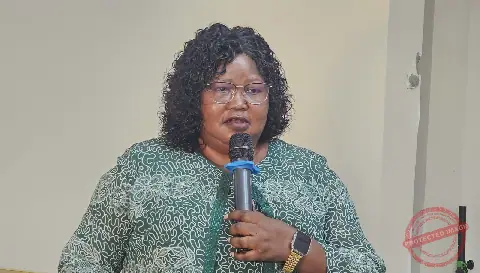
The Nairobi City County Assembly is considering a draft Alcoholic Drinks Control and Licensing Bill aimed at tightening licensing and tackling counterfeit spirits. The bill, introduced on April 21, 2026, underwent a second reading on August 25, 2026, and was referred to the Committee of the Whole County Assembly. Trade and Hustler Opportunities Chief Officer Lydia Mathia stated that the legislation aims to protect consumers, promote responsible drinking, and create a fair environment for legitimate liquor traders.
The proposed bill targets the growth of online alcohol sales, proposing that e-commerce platforms and delivery services be subject to the same licensing standards as brick-and-mortar outlets. Key provisions include stricter licensing requirements for manufacturers, distributors, and retailers, enhanced product labeling, and tighter oversight of the supply chain. This aims to prevent unsafe or unlabelled alcohol from reaching the market and address emerging challenges such as counterfeit products and online sales.
Under-age drinking and irresponsible advertising are highlighted as concerns, with the Bill calling for stronger safeguards to shield children and young people from harmful drinking habits. The legislation also proposes public-awareness campaigns and support programs for individuals battling alcohol dependency, linking enforcement with health-focused interventions. This approach seeks to balance regulation with support for those affected by alcohol misuse.
Clarence Munga, MCA, who chairs the County Assembly's Sectoral Committee on Culture and Community Services, sponsored the Bill. As of November 5, 2026, there is no indication that it has been passed or received the Governor's assent. If enacted, the Bill would give Nairobi a stronger legal and institutional framework to regulate the alcohol sector, protect consumers, and promote responsible trade.
County authorities argue that a well-regulated alcohol industry is essential for public safety, safeguarding legitimate investments, and ensuring that businesses contribute positively to Nairobi's economy. The bill aims to modernize the county's alcohol regulatory framework, addressing gaps and challenges that have arisen since the current laws were enacted.
The Alcoholic Drinks Control and Licensing Bill, 2026, has been designed to protect consumers and promote responsible drinking habits. By introducing stricter licensing requirements and enhanced product labeling, the bill seeks to prevent the sale of counterfeit spirits and ensure that only legitimate traders operate in the county.
The bill's progress will be closely watched by stakeholders, including liquor traders, public health advocates, and residents of Nairobi. Its implementation could have significant implications for the county's economy, public health, and safety. Key points include:
Key points
- The bill aims to tighten licensing and tackle counterfeit spirits.
- Stricter licensing requirements and enhanced product labeling are proposed.
- The legislation seeks to protect consumers, promote responsible drinking, and create a fair environment for legitimate liquor traders.