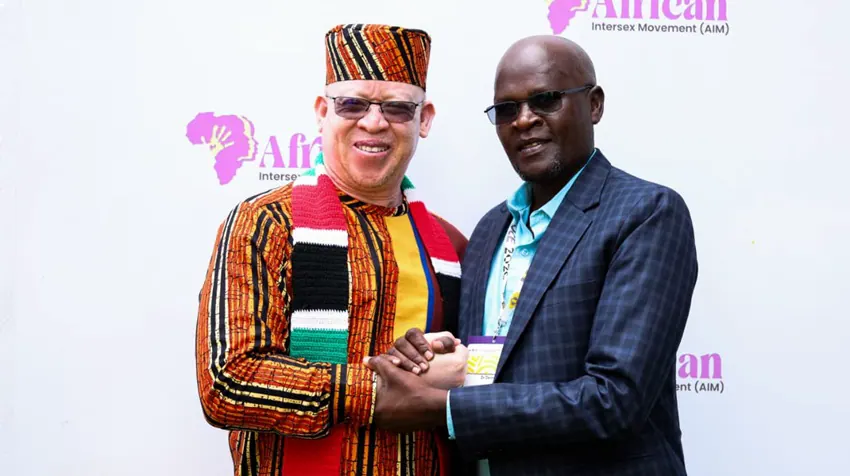
The first African Intersex Conference in Nairobi has brought together leaders and advocates to push for stronger protection and inclusion of intersex persons across the continent. People born with variations in sex characteristics face stigma, discrimination, barriers to healthcare, and difficulties accessing official documents. The conference aims to build a continental movement to address these challenges and promote a more inclusive and supportive environment for intersex individuals.
Obioma Chukwuike, Chairman of the Board of the African Intersex Movement from Nigeria, described the conference as a historic moment for the community. He emphasized that the gathering marks a significant shift from being marginalized or excluded from decision-making processes to taking center stage and shaping their own future. Chukwuike recognized pioneers who advocated for the rights of intersex persons, including South Africa's Sally Gross, and remembered those who lost their lives to violence, harmful practices, isolation, and neglect.
The conference theme, "Building a Community, Rising in Power, Reclaiming Bodily Autonomy and Building a Future in Africa," represents a commitment to ensuring the community shapes its own future. Chukwuike challenged governments, healthcare professionals, researchers, UN agencies, and donors to turn awareness into practical action. He emphasized that awareness without action will not protect intersex individuals, and that policy without information and documentation will not change lives.
Julius Kaggwa, founder of Support Initiative for People with Atypical Sex Development (SIPD), focused on the growth and sustainability of Africa's intersex movement. He acknowledged partners and donors whose support has contributed to the growth of the network, which now has over 40 members across more than 20 countries in Eastern, Southern, and Western Africa. Kaggwa urged participants to address shrinking funding, anti-gender narratives, and the exclusion of African voices from global decision-making spaces.
Dr. Dennis Wamalwa, the first intersex commissioner at the Kenya National Commission on Human Rights (KNCHR), highlighted Kenya's progress in recognition and protection. He shared his personal experiences, including undergoing surgeries and starting testosterone therapy at the age of nine, which shaped his advocacy for appropriate healthcare. Wamalwa cited cases that contributed to reforms, including the establishment of the Intersex Persons Implementation Coordination Committee and the introduction of an intersex sex marker on official documentation.
Head of the Office of Diversity, Inclusion and Disability Rights in the Executive Office of the President Isaac Mwaura called for the adoption of a Nairobi Declaration that would provide a common framework for protection and inclusion. His proposals included an intersex marker in birth registration documents, an end to the killing of infants born with variations in sex characteristics, and protection from non-consensual or medically unnecessary surgeries on children.
The conference has made several key recommendations, including the need for greater support for healthcare needs and the proposed Intersex Bill 2024 to further strengthen legal protection. Advocates are pushing for equal access to healthcare, including psychosocial support, as well as education and employment opportunities. The goal is to create a more inclusive and supportive environment for intersex individuals across Africa.
Key points
- The conference aims to build a continental movement to address the challenges faced by intersex persons.
- Leaders and advocates are calling for stronger legal protection, inclusive services, and greater participation of intersex persons in decisions shaping their lives.
- The proposed Nairobi Declaration would provide a common framework for protection and inclusion of intersex persons across Africa.