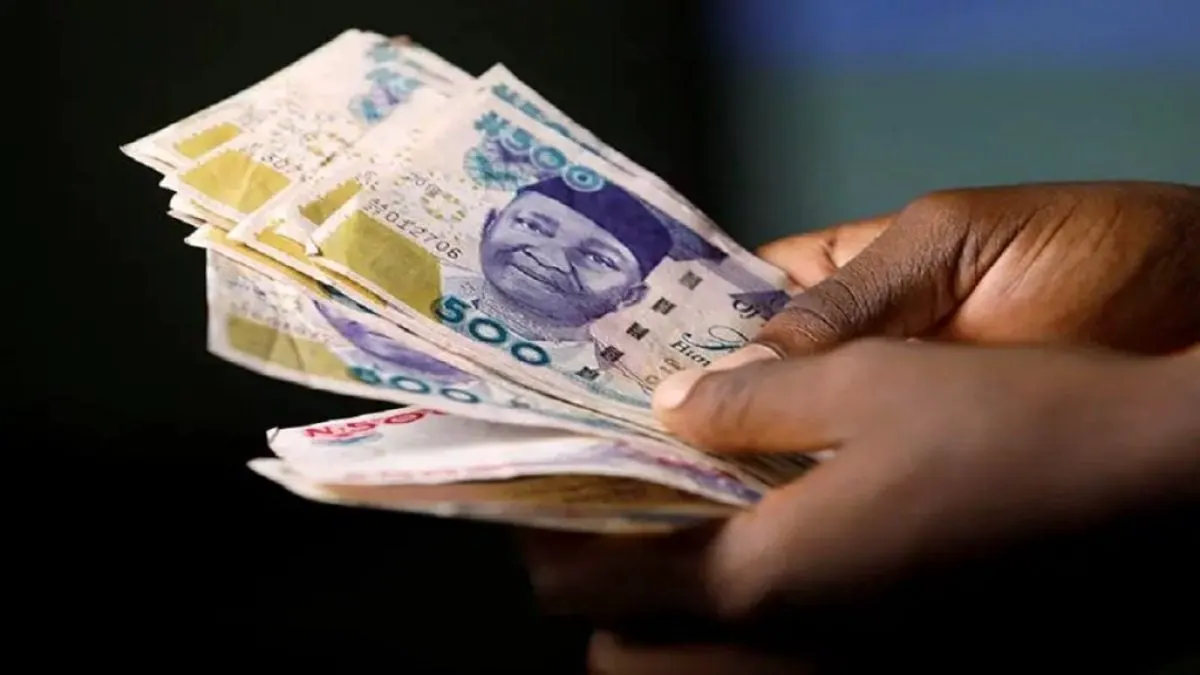
The Nigerian naira has shown signs of strengthening against the United States dollar at the official foreign exchange market. On Tuesday, September 22, 2026, the naira traded at N1,327.7784 at the Central Bank of Nigeria's official FX window. This represents an appreciation of at least N2.02 from the previous day's trading rate of N1,329.8019. The data was shared on the CBN's official platform, providing insight into the current state of the foreign exchange market.
At the Nigerian Foreign Exchange Market, the naira closed at N1,331.0000 per dollar on Tuesday. This slight increase in value suggests a positive trend for the Nigerian currency. Market observers have been closely monitoring the exchange rates, as fluctuations can have significant impacts on the economy. The CBN has been working to stabilize the naira and manage the country's foreign exchange reserves.
In contrast to the official market, the parallel market, also known as the black market, saw a relatively stable exchange rate. According to Aboki FX, the buying rate increased by N2, while the selling rate decreased by just a naira on Tuesday. The Naira-to-dollar exchange rate at the black market was N1,382 and N1,385 per dollar for buying and selling rates, respectively. This indicates a notable difference between the official and parallel market rates.
The strengthening of the naira at the official FX market may be attributed to various economic factors, including changes in global oil prices, foreign investment inflows, and the CBN's monetary policy decisions. The CBN has been implementing measures to boost the economy and stabilize the foreign exchange market. These efforts aim to promote economic growth, reduce inflation, and increase investor confidence.
The current exchange rate dynamics have implications for businesses, investors, and individuals involved in foreign transactions. A stronger naira can make imports cheaper, potentially leading to lower prices for consumers. However, it may also affect exporters, who may face reduced competitiveness in the global market. Market participants will continue to monitor the exchange rates and adjust their strategies accordingly.
The Nigerian economy has been facing challenges, including high inflation, unemployment, and infrastructure deficits. The CBN's efforts to stabilize the foreign exchange market are part of a broader strategy to address these challenges. The bank has been working to promote economic growth, financial stability, and poverty reduction. The impact of the naira's strengthening on the broader economy remains to be seen.
As the Nigerian economy continues to evolve, market participants will be closely watching the exchange rates and other economic indicators. The CBN's monetary policy decisions, global economic trends, and domestic economic developments will all play a role in shaping the future of the naira. For now, the naira's strengthening at the official FX market is a positive development, but its sustainability and impact on the economy will be closely monitored.
Key points
- The naira traded at N1,327.7784 at the CBN's official FX window on September 22, 2026.