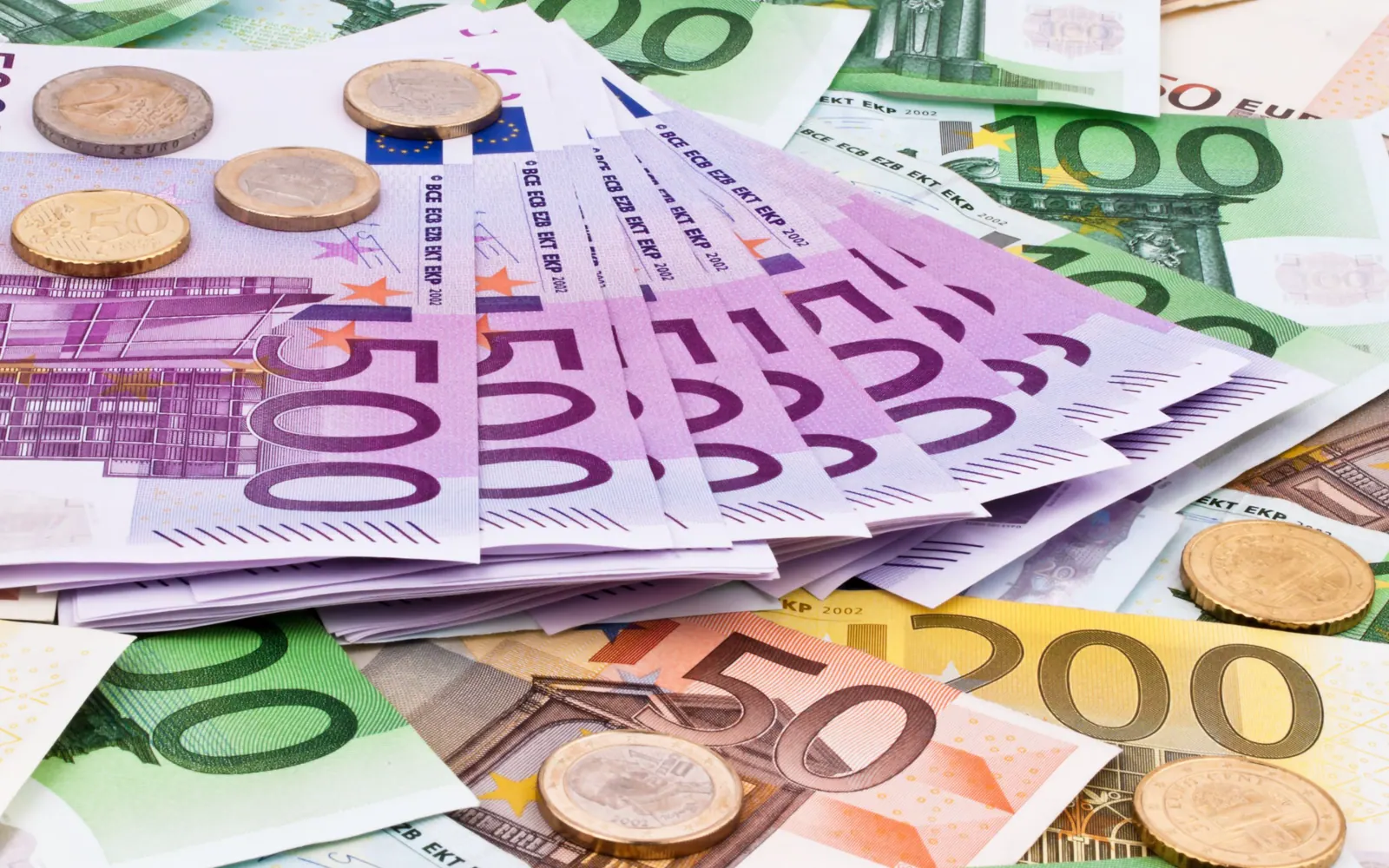
The Nigerian naira has shown significant improvement against the euro, closing at N1,497 to one euro, according to data from the Central Bank of Nigeria. This development marks a substantial gain for the local currency, which had previously weakened against major international currencies following the foreign exchange reforms and devaluation of the naira in 2024. The naira had traded above N1,500 against the euro and reached levels close to N1,800 at its peak.
The strengthening of the naira against the euro is partly attributed to movements in the global foreign exchange market. The euro recently weakened against the US dollar, reaching its lowest level since May 2025. Since the naira has remained relatively stable against the dollar, the fall in the euro has translated into gains for the Nigerian currency against the euro. This stability is a positive indicator for the economy.
The naira has remained within a relatively narrow range against the dollar in the official foreign exchange market, supported by improved liquidity and measures introduced by the Central Bank of Nigeria to stabilise the forex market. These measures have contributed to the reduction in the gap between official and parallel market exchange rates, improving price discovery and reducing arbitrage opportunities.
Market conditions have seen a significant reduction in volatility, which has helped to improve confidence in the foreign exchange market. The Central Bank of Nigeria's efforts to enhance dollar liquidity and stabilise the forex market have been crucial in maintaining this stability. The bank's policies have also encouraged market participants to operate within the official market.
The latest appreciation of the naira comes as Nigeria continues efforts to strengthen foreign exchange stability and improve dollar liquidity in the domestic market. The development is positive for Nigerians and businesses that make payments in euros, especially those involved in imports, travel and other international transactions. This group will benefit from the reduced costs associated with euro transactions.
However, the foreign exchange market remains sensitive to global economic developments and domestic policies. Changes in global economic conditions or shifts in domestic policies could impact the stability of the naira. Therefore, continued monitoring and management of the foreign exchange market are essential to sustaining this positive trend.
The improvement in the naira's value against the euro is a welcome development for the Nigerian economy. It reflects the effectiveness of the Central Bank of Nigeria's measures to stabilise the foreign exchange market and improve the naira's value. The Central Bank's efforts to maintain stability in the foreign exchange market will be crucial in the coming months.
Key points
- The naira closed at N1,497 to one euro, marking an improvement since April 2024.
- The strengthening of the naira against the euro is partly linked to the euro's weakness against the US dollar.
- The Central Bank of Nigeria's measures have contributed to the reduction in the gap between official and parallel market exchange rates.