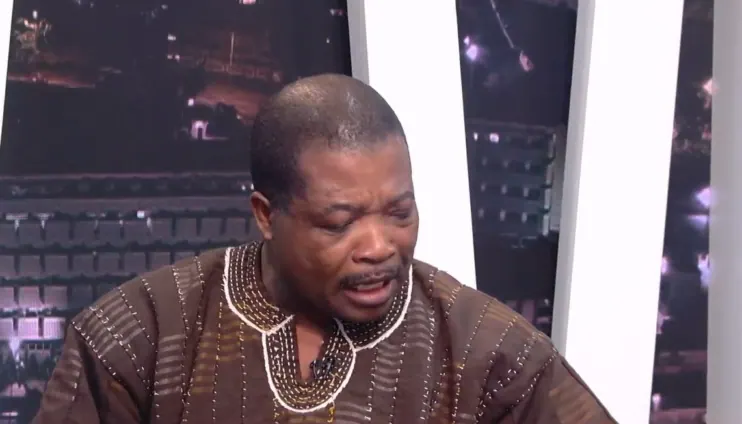
The National Association of Graduate Teachers (NAGRAT) in Ghana has stated that it will not end its ongoing strike until the government provides binding timelines for addressing the concerns raised by the union. According to NAGRAT President, Jacob Anaba, the union wants the government's commitments on the Collective Agreement, promotion-related payments, and the Deprived Area Allowance documented and signed before teachers return to the classroom.
NAGRAT and the government recently met to discuss the ongoing strike, which began over outstanding concerns including promotion-related payments, the Collective Agreement, and the Deprived Area Allowance. The meeting resulted in proposed timelines for addressing these concerns, but NAGRAT is yet to engage further on the proposals. Anaba stated that the union will not call off the strike until concrete steps are taken to ensure that these issues are resolved.
The government has proposed October 6 as the date for negotiations on the Collective Agreement, and has indicated that payment of the Deprived Area Allowance will begin in January 2027. However, Anaba emphasized that the October 6 timeline alone is not sufficient, as negotiations on the Collective Agreement may take some time. The union wants to know the start and end dates for the negotiations and have them documented.
NAGRAT is also seeking to see the financial commitment for promotion-related payments translated into actual payments to affected teachers. Anaba stated that the union wants to see the money hitting the accounts of qualified members who have been promoted. The union also welcomes the government's indication that payment of the Deprived Area Allowance will begin in January 2027, but wants the commitment formally documented.
According to Anaba, the issues raised by NAGRAT were not formally tabled during the meeting with the Education Ministry because the government had only presented proposed timelines. The union is yet to engage further on the issues raised. The pre-tertiary teacher unions are currently on an indefinite strike, and Anaba's comments highlight the ongoing tensions between the union and the government.
The strike by Ghana's pre-tertiary teacher unions has significant implications for the country's education sector. With the unions seeking concrete commitments from the government, it remains to be seen how the situation will be resolved. Anaba's statement emphasizes the union's determination to secure better working conditions and benefits for its members.
The National Association of Graduate Teachers (NAGRAT) has been on an indefinite strike over outstanding concerns, and it appears that the strike will continue until the government's commitments are formally documented. The situation highlights the challenges faced by Ghana's education sector and the need for effective communication and negotiation between the government and teacher unions.
Key points
- NAGRAT will not call off its strike until the government provides concrete timelines for resolving outstanding concerns.
- The government has proposed October 6 for negotiations on the Collective Agreement and January 2027 for payment of the Deprived Area Allowance.
- NAGRAT wants the government's commitments on promotion-related payments, the Collective Agreement, and the Deprived Area Allowance documented and signed.