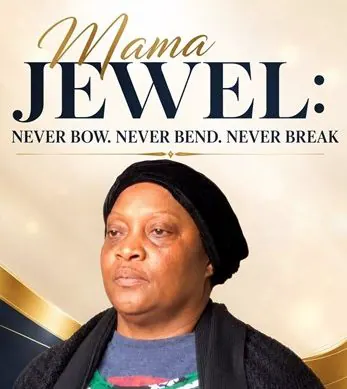
The case of former Liberian Vice President Jewel Howard-Taylor has sparked a public debate over due process and the government's anti-drug efforts. On August 19, security officers stopped Howard-Taylor at Roberts International Airport as she attempted to board a flight to Ghana. She was taken to the Liberia National Police headquarters and charged with various offenses, including unlicensed importation and trafficking of controlled substances. The arrest was linked to a July 21 seizure of nearly four metric tons of cocaine in Duazon, Margibi County.
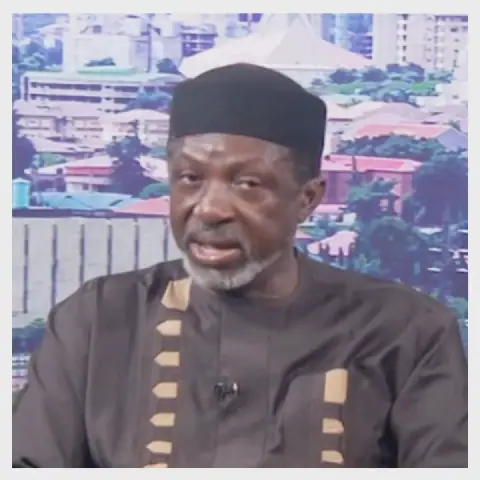
Lenn Eugene Nagbe, chief of staff to former President George Weah, has launched a scathing attack on the government over the delay in indicting Howard-Taylor. Nagbe described her arrest as illegal and accused the government of using heavy-handed police tactics to mask a lack of evidence. He noted that 33 days have passed without an indictment, questioning the government's claims of having credible evidence. Nagbe's assertions have not been established by any court, and Howard-Taylor remains presumed innocent unless proven guilty.
The government has maintained that the arrest was based on credible available evidence and that Howard-Taylor will be indicted by a grand jury before the case is forwarded for trial. Justice Minister and Attorney General Cllr. N. Oswald Tweh has emphasized that the case is part of a determined campaign against drug trafficking that spares no one, however prominent. The government has linked Howard-Taylor to an alleged international trafficking network connected to the Duazon seizure.
Howard-Taylor was initially held at the Monrovia Central Prison, where former President Weah visited her on September 2. On September 4, she was granted temporary release on medical grounds and placed under home detention. Her lawyers have since asked the court to admit her to bail and lift the home-detention and travel restrictions. The defense has withdrawn its request for a preliminary examination of the evidence, and the case is now before Criminal Court "C".
The opposition, led by former President Weah and the Congress for Democratic Change (CDC), argues that the executive has overreached and is using the justice system as an instrument of political retribution. Nagbe's statement marks a shift in the public battle over the case, moving attention from the narcotics allegations themselves to the procedural standards of the justice system. The case has sparked concerns over constitutional protections, speedy-trial guarantees, and the legal standards required to hold a former high-ranking official.
Liberia's Criminal Procedure Law requires that persons held to answer be indicted without unnecessary delay, a principle defense lawyers are likely to invoke as the weeks pass. By emphasizing the 33-day delay without a grand jury indictment, Howard-Taylor's camp aims to challenge the evidentiary foundation of the prosecution. The prosecution has maintained that it established sufficient probable cause and that its evidence is available for trial.
As the state works to present its case to a grand jury, the judiciary faces heightened scrutiny over its handling of the case. The Ministry of Justice had not publicly responded to Nagbe's specific claims as of press time. The case is expected to continue to draw attention in the coming weeks, with many watching to see how the government will proceed with the indictment and trial of the former Vice President.
Key points
- The government has 33 days to indict former VP Jewel Howard-Taylor without a grand jury indictment.
- Nagbe says the government lacks evidence and used heavy-handed police tactics to arrest Howard-Taylor.
- The case has sparked concerns over due process, constitutional protections, and the government's anti-drug efforts.