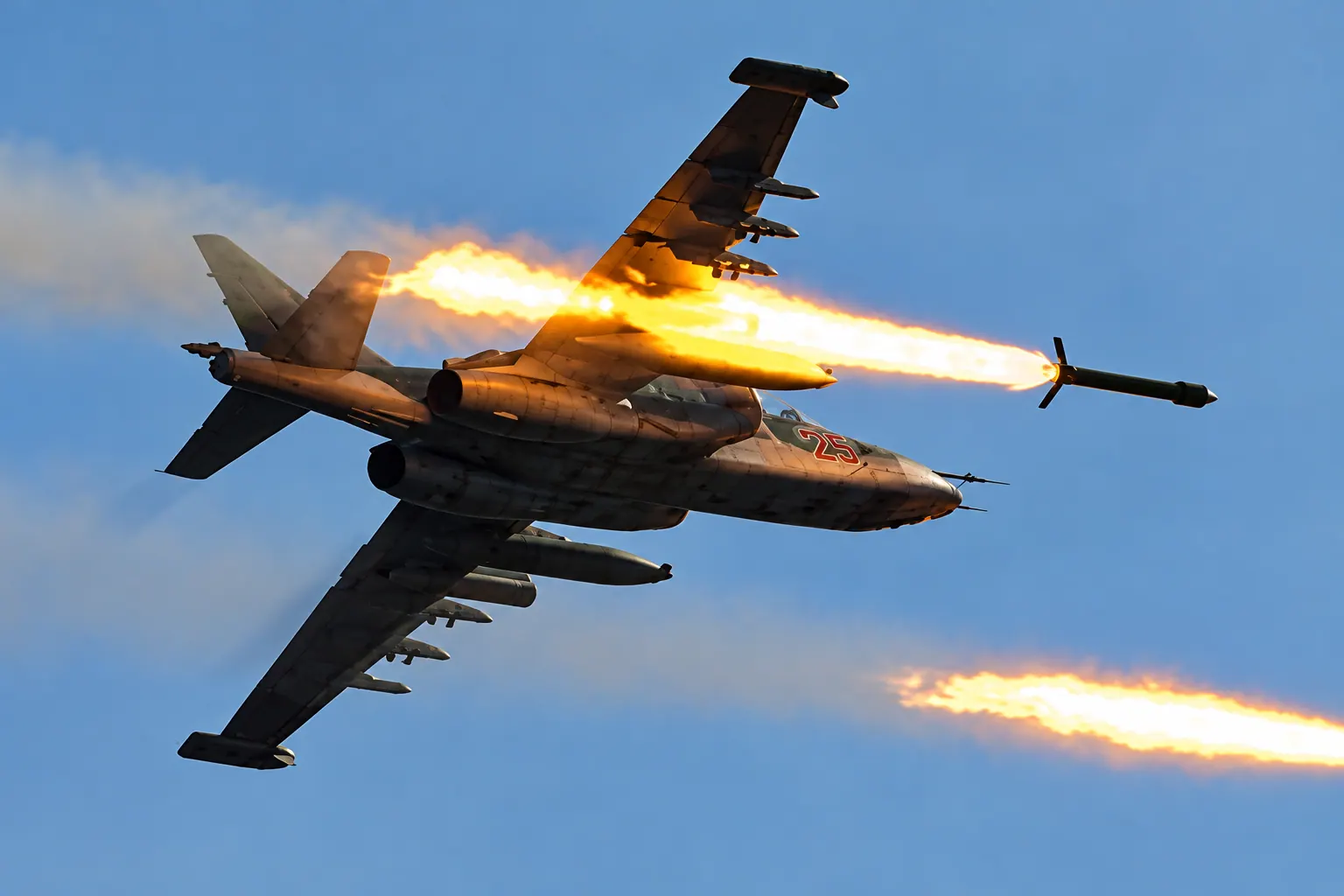
The Nigerian military has carried out an intelligence-led air strike on a terrorist enclave in Borno State, killing more than 40 fighters of the Islamic State West Africa Province (ISWAP), including a prominent commander. The operation, conducted by the Air Component of the Joint Task Force, North East, Operation HADIN KAI, targeted Badu Village in Guzamala Local Government Area on October 10, 2026. The strike was launched after intelligence indicated that the insurgents were gathering to carry out coordinated attacks on troops operating within Sector 3.
According to Captain Mohammed Goni, Military Information Officer at the Headquarters of the Joint Task Force, the air strike was a precision operation that followed aerial surveillance of the area. The surveillance identified movements around suspected terrorist hideouts and logistics facilities. The military said the fighters targeted were members of ISWAP's Murabitun mobile fighting unit, involved in patrols, attack coordination, and sustaining insurgent activities in the area.
The military identified two vehicles and approximately 20 motorcycles used by the insurgents for mobility, logistics, and offensive operations, which were destroyed during the operation. The destruction of the equipment weakened the fighters' ability to move personnel and supplies and disrupted their preparations for attacks on troops and communities in the area. The strike is seen as a significant setback for ISWAP's ability to carry out attacks and sustain operations around the Lake Chad region.
The operation was part of the Nigerian military's counter-insurgency efforts in the North-East, involving coordinated ground and air campaigns against ISWAP and Boko Haram elements. Guzamala and neighbouring parts of northern Borno have remained important theatres of military operations due to their proximity to routes and enclaves used by insurgents for movement, logistics, and attacks.
ISWAP remains one of the principal armed groups confronting Nigerian and regional forces in the North-East, particularly around northern Borno and the Lake Chad basin. The group emerged from a factional split within Boko Haram and has maintained cells and mobile fighting units in difficult-to-access areas around Lake Chad, from where fighters have launched attacks on military positions and communities.
The Joint Task Force said it would sustain its offensive to eliminate terrorist threats, protect vulnerable communities, and consolidate efforts to restore peace and stability in the North-East. The latest strike demonstrates the growing use of intelligence, aerial surveillance, and technology in identifying and attacking insurgent positions before planned operations can be executed.
The successful operation underscores the effectiveness of intelligence-led, technology-enabled, and coordinated air operations in dismantling terrorist networks, disrupting hostile activities, and denying criminal elements freedom of action. Troops will continue coordinated air and ground operations against terrorist groups in the North-East.
Key points
- Over 40 ISWAP fighters, including a prominent commander, were killed in the air strike.
- The strike disrupted planned attacks on troops operating within Sector 3 of Operation HADIN KAI.
- The operation demonstrates the growing use of intelligence, aerial surveillance, and technology in identifying and attacking insurgent positions.