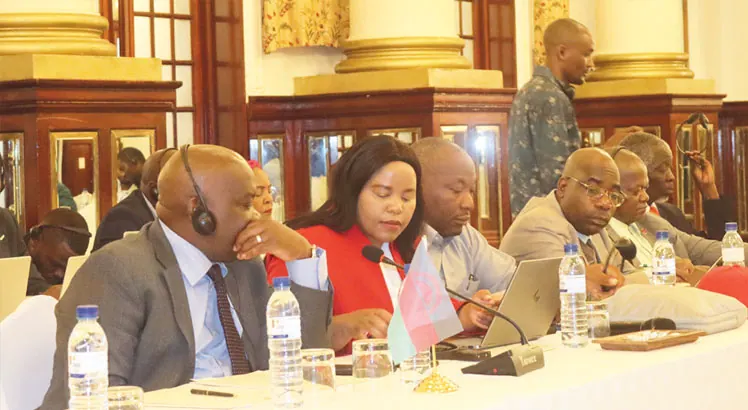
Representatives of Malawi, Mozambique, and Zambia have convened in Maputo, Mozambique, to review progress on the Nacala Development Corridor and set deadlines for implementation. The four-day Tripartite Meeting of the Nacala Development Corridor Sector Clusters aims to update sector action plans and prioritize projects. The meeting follows directives from the 10th Nacala Development Corridor Management Committee (NDCMC) meeting. Key projects include the Chipata-Serenje railway and agreements on agricultural standards.
The proposed Chipata-Serenje railway connection is expected to strengthen Zambia's link to the Nacala system. The three countries are also pursuing rehabilitation and expansion of railway infrastructure in Malawi. In December last year, a declaration was prepared covering rehabilitation of Malawi's existing railway and construction of a new rail link to Chipata and Serenje in Zambia. The current meeting will outline the next steps on the project.
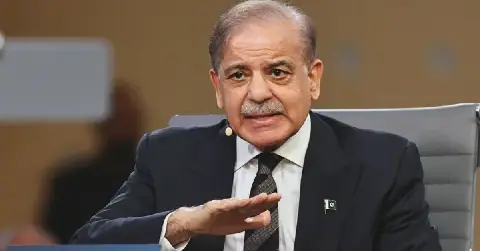
Ministry of Transport and Public Works director of policy and planning Victor Lungu, representing Malawi, emphasized that the exercise should move the corridor from commitments to implementation. He stated that clear priorities, realistic timelines, and a shared understanding of responsibilities are needed. Lungu also stressed the importance of openly assessing progress and confronting outstanding constraints.
Nacala Development Corridor Secretariat executive director Angelo Eduardo Mondlane highlighted that the corridor's success depends on more than roads and railways. He emphasized the need for cooperation in trade facilitation, border management, investment promotion, and infrastructure planning. Mondlane stated that the secretariat will monitor implementation of decisions and flag matters requiring further technical consideration.
The focus comes against a backdrop of repeated calls for the three countries to remove infrastructure, regulatory, and bureaucratic bottlenecks that have limited the corridor's potential. In 2023, Malawi, Zambia, and Mozambique were challenged to eliminate bottlenecks by improving infrastructure and legal and regulatory frameworks. The three countries subsequently signed a trilateral agreement in October 2023.
The Nacala route has demonstrated its potential for Malawi, with increased cargo traffic along the corridor helping the Malawi Revenue Authority raise collections at Liwonde Inland Port. Fertiliser, fuel, wheat, and other bulk cargo were being moved by rail from Nacala. A train also delivered 580,000 litres of diesel from Nacala to Lilongwe in July 2024, highlighting the potential of rail to reduce transport costs.
However, the regional network remains incomplete, with bureaucratic delays, inconsistent customs procedures, and infrastructure gaps identified as obstacles to seamless regional trade. For Malawi, a landlocked country relying heavily on transport corridors, the Nacala route is among the shortest and potentially most cost-effective link to the sea. Improved rail connectivity offers the prospect of lowering costs and turnaround times.
Key points
- The Nacala Corridor countries must implement projects by June next year.
- The Chipata-Serenje railway project is a priority for the three countries.
- The Nacala route has shown potential for Malawi, with increased cargo traffic and reduced transport costs.