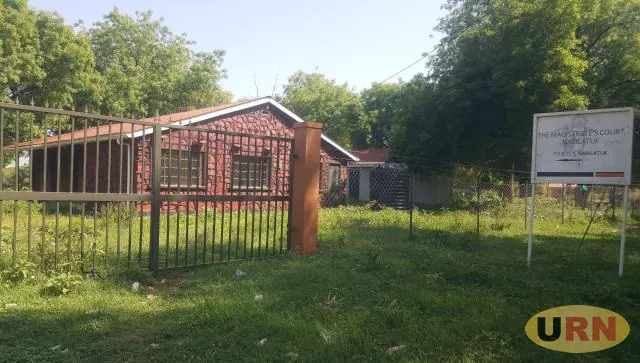
Residents of Nabilatuk Town Council in Uganda face significant challenges in accessing justice due to the inactivity of a fully equipped magistrate's court. Despite being renovated and handed over in 2025, the court has not held a session since 2024, forcing complainants to travel over 50 kilometers to Nakapiripirit to attend court. This journey is not only costly but also a significant burden for those seeking justice, particularly for the poor who cannot afford to facilitate the process.
The lack of a functioning court in Nabilatuk has led to a reliance on informal justice systems, with some residents opting to settle disputes at the LC1 level. Lina Angesa, a resident, expressed frustration that only those with financial means can access justice, while the poor often lose their cases at the police. This has resulted in some cases, such as defilement and murder, being resolved through traditional means, like marriage or compensation using cows.
The absence of a local court has severe consequences for victims of violence, particularly women and children. Mike Lodou, a resident, noted that gender-based violence has become normalized due to the difficulties in pursuing cases through the formal justice system. Charles Ejamu, Officer in Charge of the Child, Family and Protection Unit at Nabilatuk Police Station, echoed this sentiment, stating that the lack of a local court undermines efforts to deal with gender-based violence.
The unused court complex in Nabilatuk includes an archive container and residential quarters for a judicial officer, but has remained largely inactive with limited maintenance. Nabilatuk LC5 Chairperson Benedict Lokiru stated that the district has repeatedly written to the Judiciary seeking the reopening of the court. The district had even considered renting out the premises due to its prolonged inactivity.
Joseph Sabiti Omara, the Nakapiripirit Grade One Magistrate, confirmed that Nabilatuk has a fully furnished court, but it remains inactive due to administrative challenges, including shortages of manpower and facilitation. Omara receives over three files of cases from Nabilatuk weekly, but complainants and witnesses often fail to appear due to transportation costs.
A temporary court session was held at the Nabilatuk court premises from September 15 to 17, facilitated by the International Justice Mission (IJM). The session brought proceedings closer to the community, but residents are anxious about what happens after the exercise. Andrew Lolem welcomed the temporary sittings but emphasized the need for regular court sessions.
The temporary court session demonstrated the value of bringing justice closer to residents, and stakeholders are urging the government to reactivate the court. Ruth Teko, the Nabilatuk District Head of Community Based Services, and Paul Lokut, the district Probation and Social Welfare Officer, highlighted the need for a functional court to address issues like gender-based violence and detention facilities for juvenile offenders.
Key points
- The inactivity of the magistrate's court in Nabilatuk forces residents to travel long distances and incur significant costs to access justice.
- The lack of a local court has severe consequences for victims of violence, particularly women and children.
- Stakeholders are urging the government to reactivate the court to bring justice closer to residents and address issues like gender-based violence.