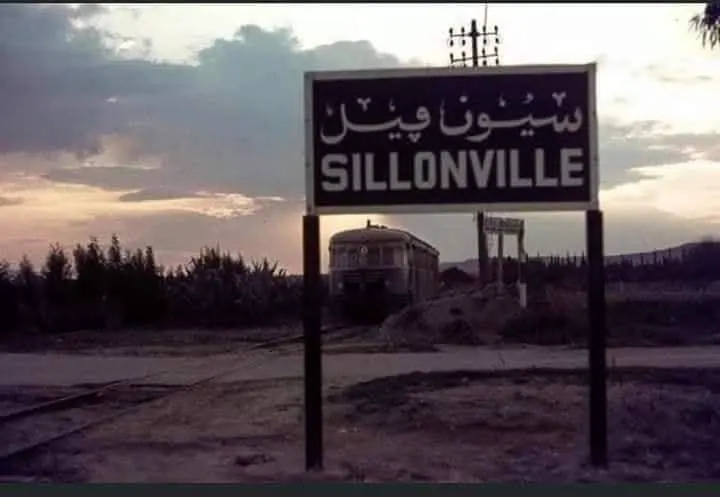
The location of Nabeul's university hospital, Mohamed Tahar-Maâmouri, in the Sillonville area of El Mrezga, has a rich history dating back to the early 21st century. The site was originally home to a convent and boarding school run by French Catholic nuns. The area's name, Sillonville, is not related to the Notre-Dame de Sion congregation, but rather is a French surname, similar to that of Jules Ferry, a prominent figure in France's Third Republic.
In 1958, the institution ceased its initial activities and became a sanatorium, specializing in the treatment of tuberculosis and chronic lung diseases. The site's natural environment, near the Mont d'El Mrezga and overlooking the sea, made it an ideal location for a sanatorium. The fresh air and rural setting were believed to aid in the recovery of patients. This change marked a significant shift in the site's purpose, from a place of worship and education to a center for healthcare.
By the 1970s, the sanatorium had transformed into a regional hospital, hosting key services such as pneumology, which was particularly active between 1974 and 1978. The hospital's location and climate were initially seen as beneficial for patients with respiratory issues. However, over time, the site has undergone significant changes, impacting its environment and functionality. The transformation into a hospital brought new challenges and opportunities for the site.
Today, the site is unrecognizable due to environmental degradation, largely caused by the presence of a outdated and nearly non-functional wastewater treatment plant and the incineration of waste nearby. The situation is further exacerbated by the chaotic parking of taxis and the lack of a municipal charter or zoning plan regulating commercial activities in the area. This has resulted in a stark contrast to the site's former purpose as a peaceful sanatorium.
The current state of the hospital's surroundings has created a chaotic scene, with pollution from traffic and lack of organization contributing to a sense of disorder. Visitors to the hospital are met with a situation that is far removed from the peaceful haven it once was. The local community in Nabeul is nostalgic for the past, when the hospital was a place of calm and tranquility, where patients with tuberculosis were treated in a fresh and clean environment.
According to La Presse de Tunisie, the degradation of the site is a source of concern, with many lamenting the loss of its former serenity. The hospital, situated between a peripheral road and the RR27 route, faces significant environmental challenges, including air pollution and emissions from vehicles. These factors have contributed to the site's decline and the loss of its original character.
The transformation of Sillonville from a sanatorium to a chaotic scene is a story of lost potential and environmental degradation. Efforts are needed to address the site's challenges and restore its former glory. The local community and authorities must work together to find solutions to the site's environmental and infrastructural issues, and to preserve its history and significance.
Key points
- The site of Nabeul's university hospital was once a sanatorium and Catholic convent but now faces environmental and infrastructural challenges.