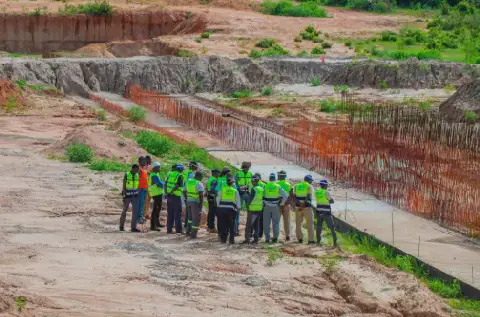
The Namibian government has approved a N$4 billion investment for the development of the Baynes hydroelectric power plant. This project aims to enhance the country's energy infrastructure and provide a reliable source of electricity. The Baynes power plant is expected to play a crucial role in meeting Namibia's growing energy demands. According to reports, the project will be implemented in partnership with the government of Angola. The power plant's construction is anticipated to create numerous job opportunities for Namibians.
The Baynes hydroelectric power plant will be constructed on the Kunene River, which forms part of the border between Namibia and Angola. Once completed, the power plant is expected to generate approximately 240 megawatts of electricity. This will not only help meet Namibia's energy needs but also provide surplus power for export to neighboring countries. The project is seen as a significant step towards enhancing regional energy cooperation and promoting economic development in the Southern African region.
The approval of the N$4 billion investment for the Baynes power plant is a clear indication of the government's commitment to addressing Namibia's energy challenges. The country has been experiencing frequent power outages due to its reliance on imported electricity. The development of the Baynes power plant is expected to reduce Namibia's dependence on imported electricity and promote energy self-sufficiency. The project is also anticipated to have a positive impact on the country's economy.
The implementation of the Baynes power plant project is expected to be a complex process, requiring the involvement of various stakeholders, including government agencies, private sector companies, and local communities. The project will require careful planning and management to ensure its successful completion. The government has assured that all necessary measures will be taken to ensure that the project is implemented in a responsible and sustainable manner.
The development of the Baynes power plant is part of Namibia's broader strategy to develop its energy sector and promote economic growth. The country has set ambitious targets to increase its electricity generation capacity and reduce its reliance on imported electricity. The Baynes power plant is expected to play a critical role in achieving these targets and promoting sustainable economic development in Namibia.
The N$4 billion investment in the Baynes power plant is a significant injection of capital into Namibia's energy sector. The project is expected to have a positive impact on the country's economy, creating jobs and stimulating economic growth. The government has assured that the project will be implemented in a transparent and accountable manner, with all necessary measures taken to ensure its successful completion.
The Baynes hydroelectric power plant is expected to be completed within a reasonable timeframe, with construction expected to start soon. Once completed, the power plant will provide a reliable source of electricity for Namibia and play a critical role in promoting energy self-sufficiency and sustainable economic development in the country. The project is seen as a significant step towards achieving Namibia's energy goals and promoting economic growth.
Key points
- The Namibian government has approved a N$4 billion investment for the development of the Baynes hydroelectric power plant.
- The project aims to enhance the country's energy infrastructure and provide a reliable source of electricity.
- The power plant is expected to generate approximately 240 megawatts of electricity.