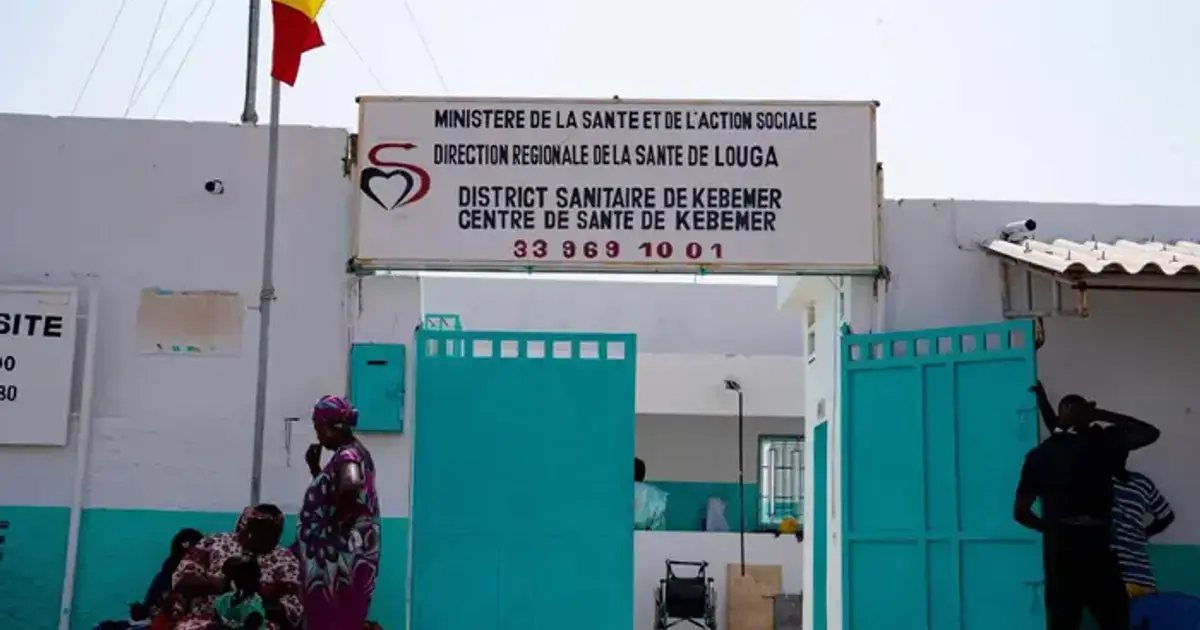
An outbreak of a mysterious illness in the Kébémer department of Senegal has prompted an investigation by the Pasteur Institute in Dakar. According to the Ministry of Health, over 600 cases have been reported. The Pasteur Institute has identified the bacteria responsible for the infections as Salmonella, from six samples transmitted by health authorities. This was achieved through a series of in-depth analyses.
The six samples received on a Friday were subjected to molecular testing, which detected the presence of Salmonella bacteria on the same evening. Bacterial isolation confirmed this result the next day. On Sunday, the teams conducted antibiotic sensitivity tests to determine effective treatments. On Monday, they carried out a meta-genomic analysis to establish the genetic profile of the microorganism.
The complete sequencing of the bacteria allowed for a thorough characterization and comparison with other strains recently isolated in Senegal. Dr. Yahya Dièye, a microbiology specialist at the Pasteur Institute, noted that this was achieved in just five days, a remarkable performance even on an international scale. However, identifying the pathogen is not enough; the focus now shifts to understanding the circumstances of the epidemic's appearance.
Dr. Ibrahima Socé Fall, General Administrator of the Pasteur Institute in Dakar, emphasized that their work goes beyond rapid identification. He advocates for in-depth investigations in the field to reconstruct the contamination chain. This involves understanding why the situation occurred and, more importantly, preventing it from happening again.
The investigation was discussed in the lead-up to the 2026 Global Health Forum, scheduled for November 17-19. Dr. Socé Fall highlighted the Institute's broader mission in the global health architecture. The incident underscores the importance of preparedness and rapid response to disease outbreaks.
The rapid identification of the Salmonella bacteria showcases the technical capabilities available in Senegal. The Pasteur Institute's performance demonstrates its capacity to handle such health crises effectively. Further investigations will focus on determining the source of exposure and factors that facilitated the spread of infections.
The incident serves as a reminder of the importance of ongoing surveillance and research into disease outbreaks. Understanding and addressing the root causes of such epidemics are crucial to preventing future occurrences. The 2026 Global Health Forum will likely address these issues and others related to global health security.
Key points
- Over 600 cases of the mysterious illness have been reported in Kébémer, Senegal.
- The Salmonella bacteria responsible for the infections was identified through a series of analyses.
- Further investigations aim to determine the source of contamination and prevent future outbreaks.