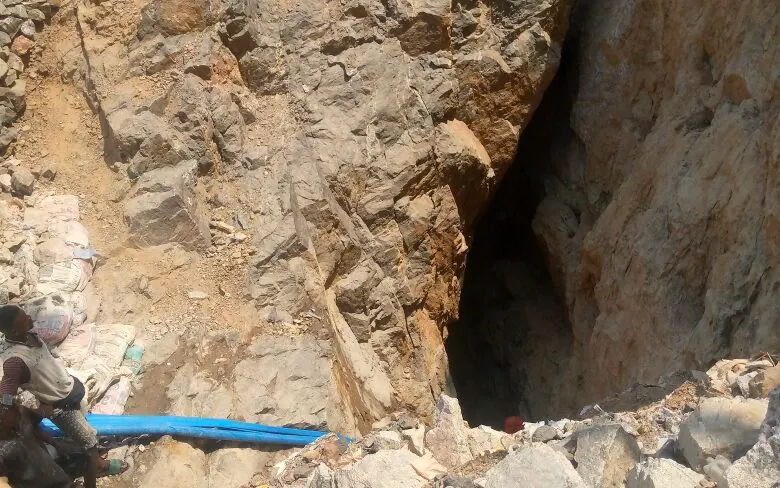
A tragic incident in Niger State, Nigeria, has left 37 illegal miners dead within 48 hours of their arrest by the Nigeria Security and Civil Defence Corps (NSCDC). The miners, aged between 14 and 18, were apprehended on September 15-16 in a raid on two illegal mining sites and detained in a small, poorly ventilated room. The NSCDC initially attributed their deaths to an unknown disease, but this claim has been disputed, and the agency has since suspended several officials and arrested 24 others.
The incident has sparked widespread outrage and protests, with youths in the area demanding justice and accountability. In response, President Bola Tinubu has ordered an investigation into the circumstances surrounding the deaths. A 10-member panel has been set up to probe the cell conditions, medical care provided, and events leading up to the fatalities. The president has also suspended Suberu Aniviye, the NSCDC Commander in the state, and directed that preliminary suspensions of officials cannot substitute for a full investigation.
According to survivor Dauda Shehu, a toxic substance was likely spread into the cell, causing the miners to suffocate and die. The victims were reportedly foaming at the mouth and bleeding from their nostrils. The incident has raised concerns about the treatment of suspects in custody and the need for accountability within the security agencies. Section 33 of the 1999 Constitution guarantees the right to life and dignity, and it is alleged that this right was violated in the case of the deceased miners.
The government has been urged to compensate the families of the victims and to take action against the owners of the mining sites. The Premium Times editorial has called for the owners to be named and prosecuted, and for the NSCDC officials responsible for the deaths to be held accountable. The incident has also highlighted the issue of out-of-school children in Nigeria, with the 37 miners being just a few of the estimated 20 million children who are not in school.
The mining sector in Nigeria has been criticized for its lack of regulation and oversight, which has led to the proliferation of illegal mining activities. The country has significant mineral resources, but the sector has not been effectively formalized, leading to revenue losses and job creation opportunities being missed. The Minister of Solid Minerals, Dele Alake, has been urged to work harder to reposition and formalize the sector.
The incident has also raised concerns about the broader issue of impunity within Nigeria's security setup. The #ENDSARS protests in 2020 highlighted the problem of extrajudicial killings and police brutality, leading to the dissolution of the Special Anti-Robbery Squad (SARS). However, the continued reign of impunity within the police and NSCDC has raised concerns that little has changed.
The government has been urged to demonstrate its commitment to justice and accountability in the case of the 37 miners. The incident has highlighted the need for effective governance and regulation of the mining sector, as well as the need for accountability within the security agencies. The investigation into the deaths is ongoing, and it is hoped that those responsible will be held accountable.
Key points
- The Nigerian government has set up a 10-member panel to investigate the circumstances surrounding the deaths of the 37 miners.
- The incident has highlighted the issue of out-of-school children in Nigeria and the need for effective governance and regulation of the mining sector.
- The government has been urged to compensate the families of the victims and to take action against the owners of the mining sites.