The recent rescue of 41 passengers from a burning vessel on Lake Nyasa has underscored the importance of cooperation between Tanzania and Mozambique. The incident involving the MV Chambo on October 11, 2026, demonstrated the value of timely intervention and coordination when emergencies occur along shared waterways. Local residents and security authorities responded swiftly to save all passengers on board. The successful rescue has renewed attention to the need for stronger maritime safety, disaster preparedness, and cross-border coordination between the two countries.
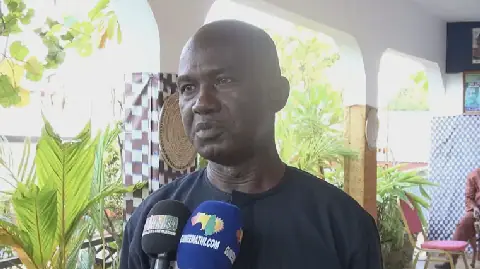
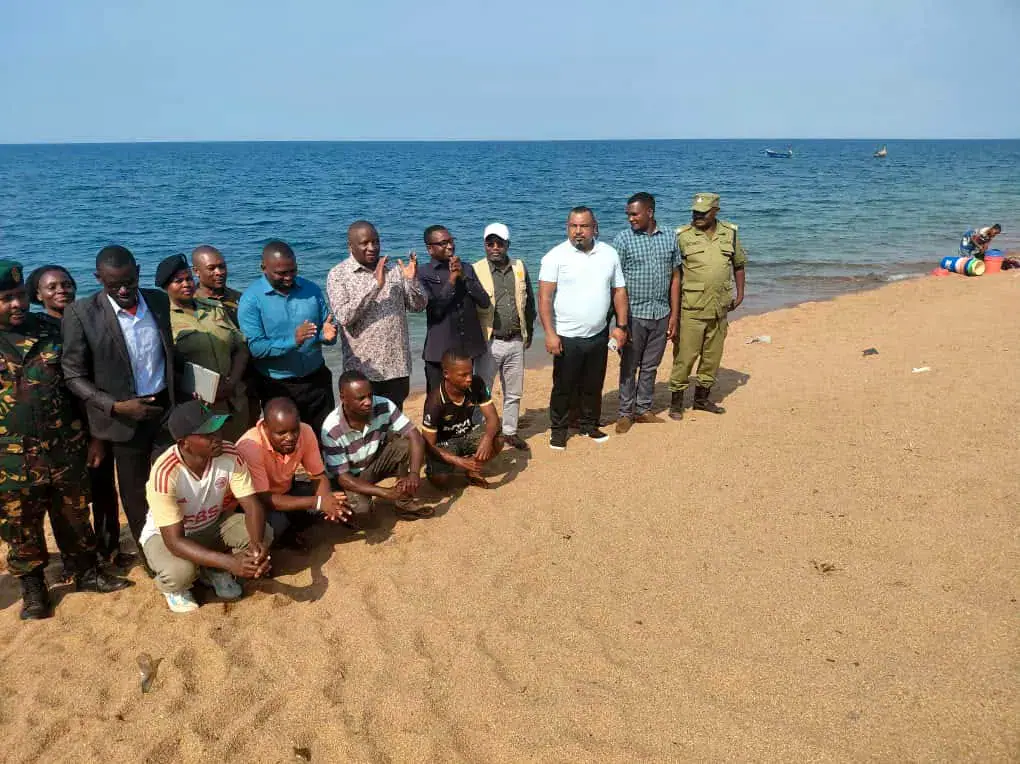
Lago District Commissioner José Achida Assane of Mozambique’s Niassa Province visited Nyasa District in Tanzania’s Ruvuma Region on October 19 and 20, 2026, to thank local security authorities and residents for their role in saving the passengers. The Mozambican official commended the committee and residents of Undu Village for responding swiftly and working together to rescue those aboard the burning vessel. The incident highlighted how coordinated action by local communities and public institutions can make a decisive difference during emergencies.
The MV Chambo was traveling from Mbamba Bay Port in Nyasa District, Tanzania, to Mitengula Port in Mozambique when the vessel caught fire while crossing Lake Nyasa. The passengers came from different countries, including Tanzania, Mozambique, Malawi, and Lesotho. Immigration authorities played a crucial role in assisting the survivors after they were brought to safety. Nyasa District Immigration Officer, Senior Superintendent of Immigration Albert Peter Massao, was commended for his cooperation in the rescue and provision of necessary immigration assistance.
The rescue effort involved local residents, security authorities, and immigration officials. Their response helped save all 41 passengers on board. The incident demonstrated how cooperation between neighboring communities and authorities can help prevent emergencies from resulting in greater loss of life. The successful rescue illustrated the value of cooperation and timely intervention when human lives are at risk.
However, the lessons from the MV Chambo incident extend beyond the successful rescue. The fire has drawn attention to the need for Tanzania and Mozambique to strengthen cooperation in maritime safety, emergency preparedness, and disaster management. Regular communication among security agencies, immigration officials, maritime authorities, and local government leaders could improve information-sharing and coordination when accidents occur.
To strengthen border management and control while facilitating the lawful movement of people and goods, closer relations between the two countries are necessary. Cooperation established before an incident occurs can help ensure that relevant authorities understand their responsibilities and can act without unnecessary delays. A safer and more predictable cross-border environment could also support trade and investment by improving confidence among traders, transport operators, and residents who rely on movement between the neighboring countries.
Lago District Commissioner José Achida Assane proposed the establishment of regular good-neighbourliness meetings between Lago District in Mozambique and Nyasa District in Tanzania’s Ruvuma Region. The meetings would provide an opportunity for the two districts to strengthen border management and control while promoting economic development in both countries. Sustained dialogue would allow the districts to address issues of common concern before they develop into more serious problems.
Key points
- The MV Chambo incident highlights the need for stronger maritime safety and cross-border coordination between Tanzania and Mozambique.
- The successful rescue of 41 passengers from the burning vessel demonstrates the value of cooperation and timely intervention when human lives are at risk.
- Regular good-neighbourliness meetings between the two districts are proposed to strengthen border management and control while promoting economic development.