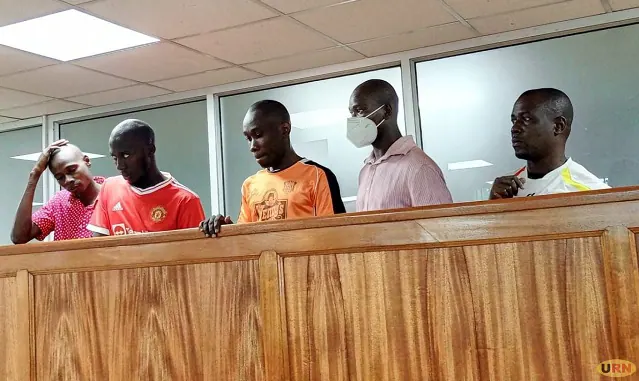
Ibrah Muwonge, alias Kimbowa Ibrah, has become the first person to be convicted of terrorism in Uganda for his involvement in the deliberate destruction of electricity infrastructure. The conviction was made by the International Crimes Division of the High Court on October 5, 2026, after Muwonge entered a plea bargain. He was sentenced to 10 years in prison for terrorism and five years for terror financing, with the sentences running concurrently.
The conviction stems from a coordinated campaign in late 2022, in which electricity infrastructure in parts of Central Uganda was deliberately destroyed, disrupting power supply and affecting essential services. A total of 14 high-voltage electricity pylons and poles forming part of several transmission lines were cut or destroyed between November and December 2022. The attacks caused widespread power outages and disrupted water supply, health services, industry, communications, financial services, and education.
According to investigations by the Office of the Director of Public Prosecutions, Muwonge was a leader of a subversive group known as the Uganda Defence Forces, which investigators linked to the Allied Democratic Forces. Prosecutors alleged that Muwonge used a WhatsApp group to recruit and mobilize youths and coordinate the destruction of electricity infrastructure as part of a wider plan to sabotage government programs and ultimately facilitate the overthrow of the government.
Muwonge was also accused of providing money for equipment, transportation, and payment of people who carried out the vandalism. Mobile phone evidence, including photographs, videos, audio recordings, and communications, was used by investigators to link Muwonge to the planning, financing, and execution of the attacks. About eight prosecution witnesses had testified before Muwonge opted for a plea bargain.
The conviction marks a significant turn in a case that had earlier seen Muwonge and other suspects appear before the International Crimes Division over the destruction of electricity infrastructure. In 2024, Muwonge and four co-accused asked the High Court to order prison authorities to take them to hospital for medical examination and treatment, alleging that they had been tortured and suffered bruises and body pains following their arrests.
Justice Dr. Andrew Bashaija considered both the seriousness of the offenses and factors in Muwonge's favor during sentencing. The court took into account the premeditated nature of the attacks, the involvement of a gang, Muwonge's alleged role as a mastermind, and the extensive damage caused to critical national infrastructure. The court also considered the need for deterrence and mitigating factors, including Muwonge's guilty plea, remorse, and his status as a father and breadwinner.
The Office of the Director of Public Prosecutions says the conviction demonstrates the seriousness with which Uganda treats attacks on critical national infrastructure and its commitment to holding accountable people who finance, facilitate, or participate in acts of terrorism that threaten national security, essential services, and the country's economic stability. The case was prosecuted by Jacquelyn Okui, Chief State Attorney at the Office of the Director of Public Prosecutions.
Key points
- Muwonge was sentenced to 10 years in prison for terrorism and five years for terror financing.
- The destruction of electricity infrastructure caused widespread power outages and disrupted essential services.
- The conviction marks a significant turn in the fight against terrorism in Uganda.