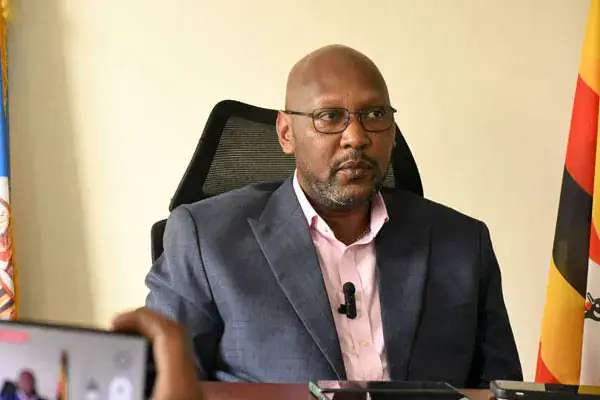
The simmering power struggles within Tooro Kingdom have taken another dramatic turn after Omujwera Musuuga Charles Kamurasi, head of the Babiito royal clan, launched a scathing attack on former Prime Minister Calvin Armstrong Rwomiire. Musuuga accused Rwomiire of betraying the kingdom during the final days of the late King Oyo Nyimba Kabamba Iguru Rukidi IV. In a circulating video, Musuuga described Rwomiire as a “fake prime minister” and questioned his leadership and handling of information surrounding the late king’s deteriorating health.
Musuuga accused Rwomiire of deliberately concealing the seriousness of King Oyo’s medical condition while the monarch was undergoing cancer treatment in the United States before his death in August 2026. According to Musuuga, Rwomiire misled kingdom elders, religious leaders, and ordinary subjects by maintaining that the young monarch was in good health and had travelled abroad for academic purposes. This alleged concealment, Musuuga argued, deprived the Batooro of an opportunity to collectively pray for their king and prepare culturally for the possibility of his death.
Musuuga’s accusations have reopened difficult questions about transparency, accountability, and the responsibilities of senior kingdom officials during the late monarch’s illness. However, Rwomiire had previously defended his decision to keep the king’s medical condition private, maintaining that he acted strictly on Oyo’s instructions. Rwomiire reportedly argued that respecting the late monarch’s wishes was necessary to prevent unnecessary public panic and speculation about his health.
Rwomiire’s departure from the influential kingdom position on November 21 has further intensified the internal disagreements. He resigned after less than two months in office, citing deep divisions within the kingdom. His resignation followed growing tensions surrounding the kingdom’s leadership, administration, and the transition following Oyo’s death. Musuuga’s latest remarks now threaten to deepen the already fragile relations among members of the royal establishment.
The controversy also places Rwomiire’s brief leadership under renewed scrutiny, with the former premier facing accusations that his handling of the crisis denied the kingdom an opportunity to participate more fully in the final chapter of Oyo’s reign. For now, Rwomiire’s explanation that he acted on the late king’s instructions remains central to the dispute. The disagreement has added another explosive chapter to Tooro Kingdom’s ongoing royal disagreements.
The power struggle within the kingdom raises questions about the future of the monarchy and the role of its leaders. The late King Oyo’s death has created a void in the kingdom, and the disagreements among the royal establishment have sparked concerns about the stability of the kingdom. The situation remains fragile, and any further developments could have significant implications for the kingdom and its people.
The accusations and counter-accusations have highlighted the need for transparency and accountability within the kingdom’s leadership. The incident has also underscored the importance of clear communication and consultation among the kingdom’s leaders, particularly during times of crisis. As the situation continues to unfold, the international community is watching closely, and the kingdom’s leaders must navigate the complex web of alliances and rivalries to ensure a smooth transition.
Key points
- Musuuga accuses Rwomiire of concealing King Oyo's serious illness
- Rwomiire defends his actions, citing the late king's instructions
- The controversy intensifies internal disagreements within the kingdom's royal establishment